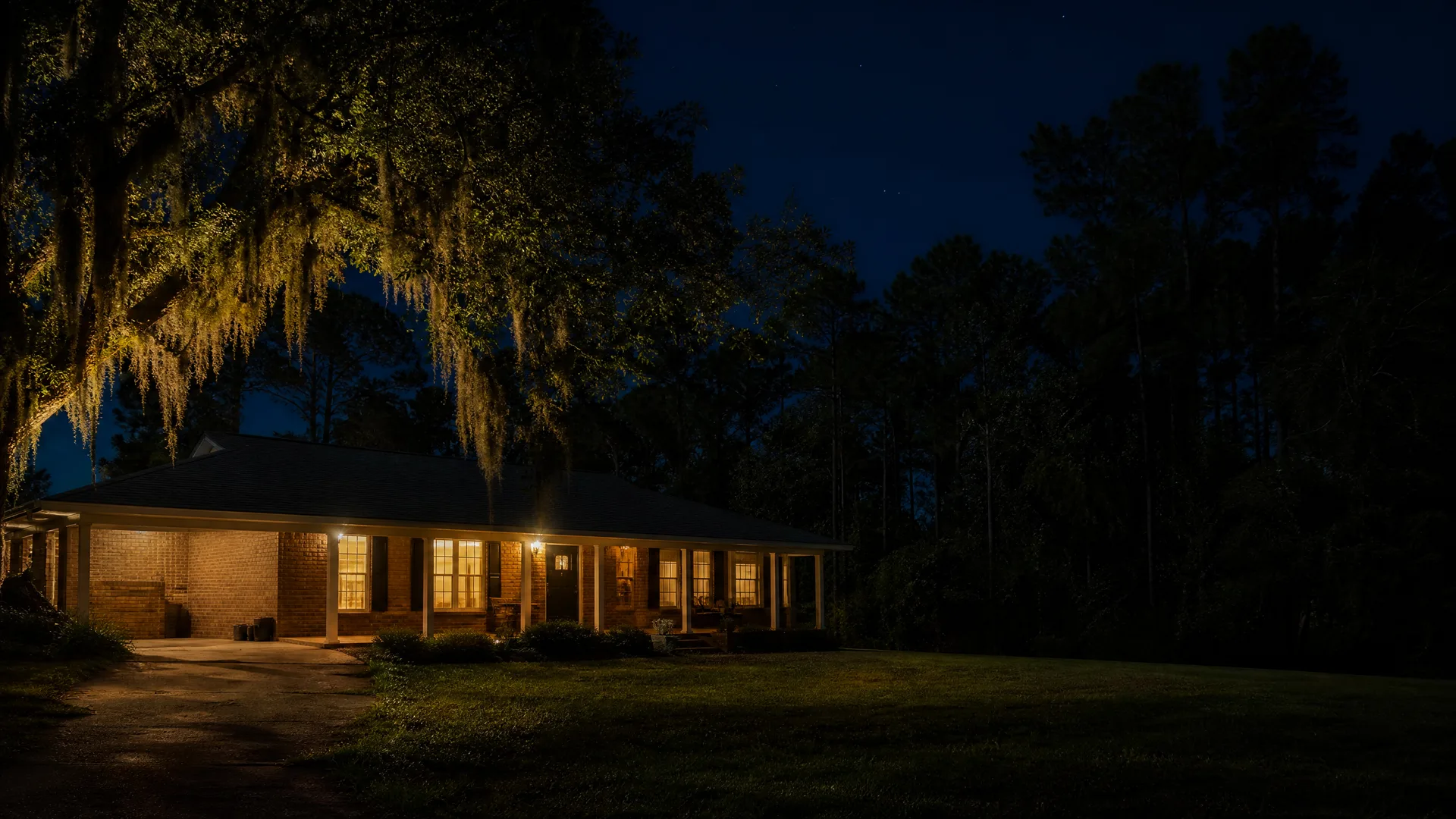
Working the way it should
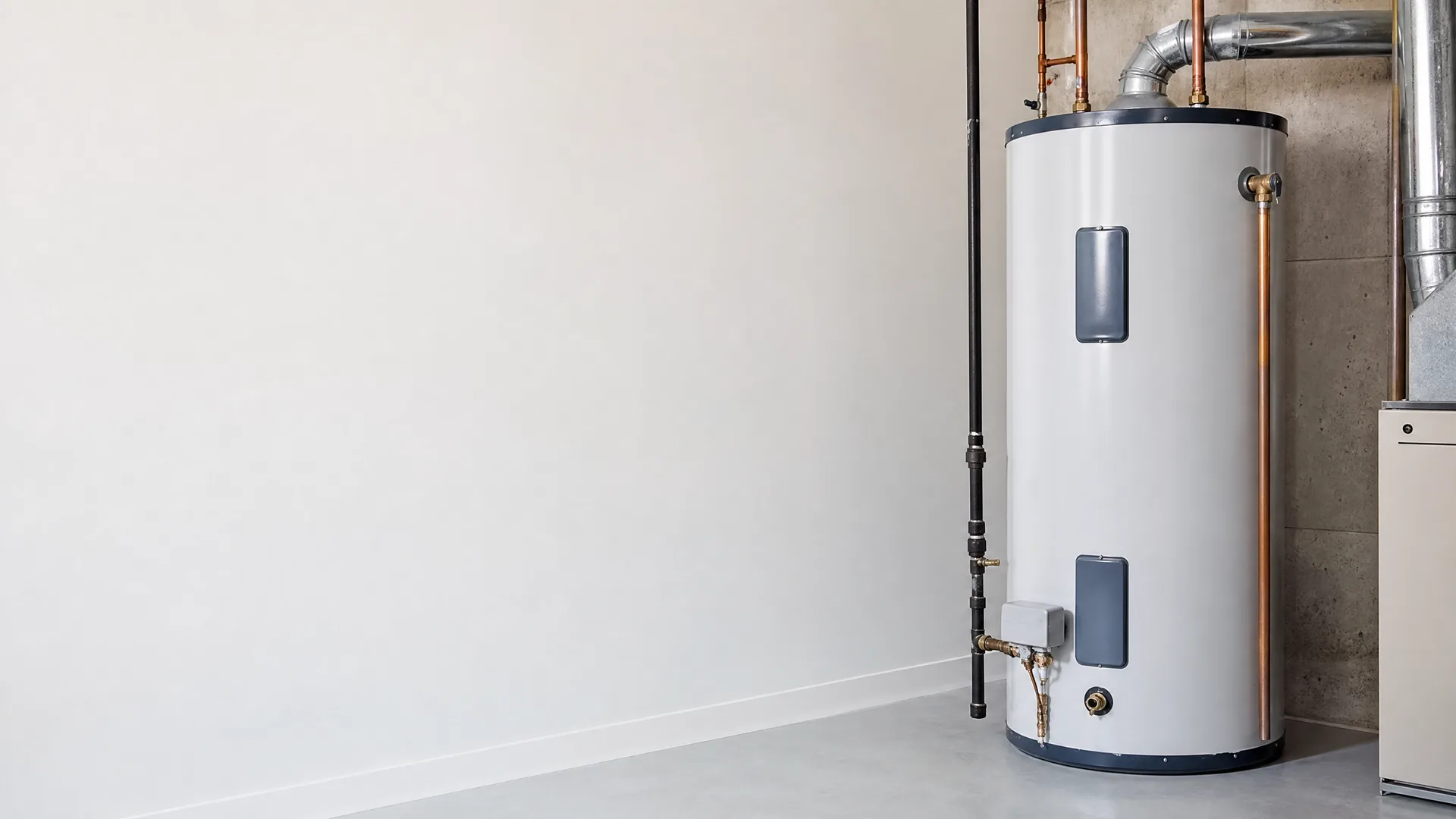
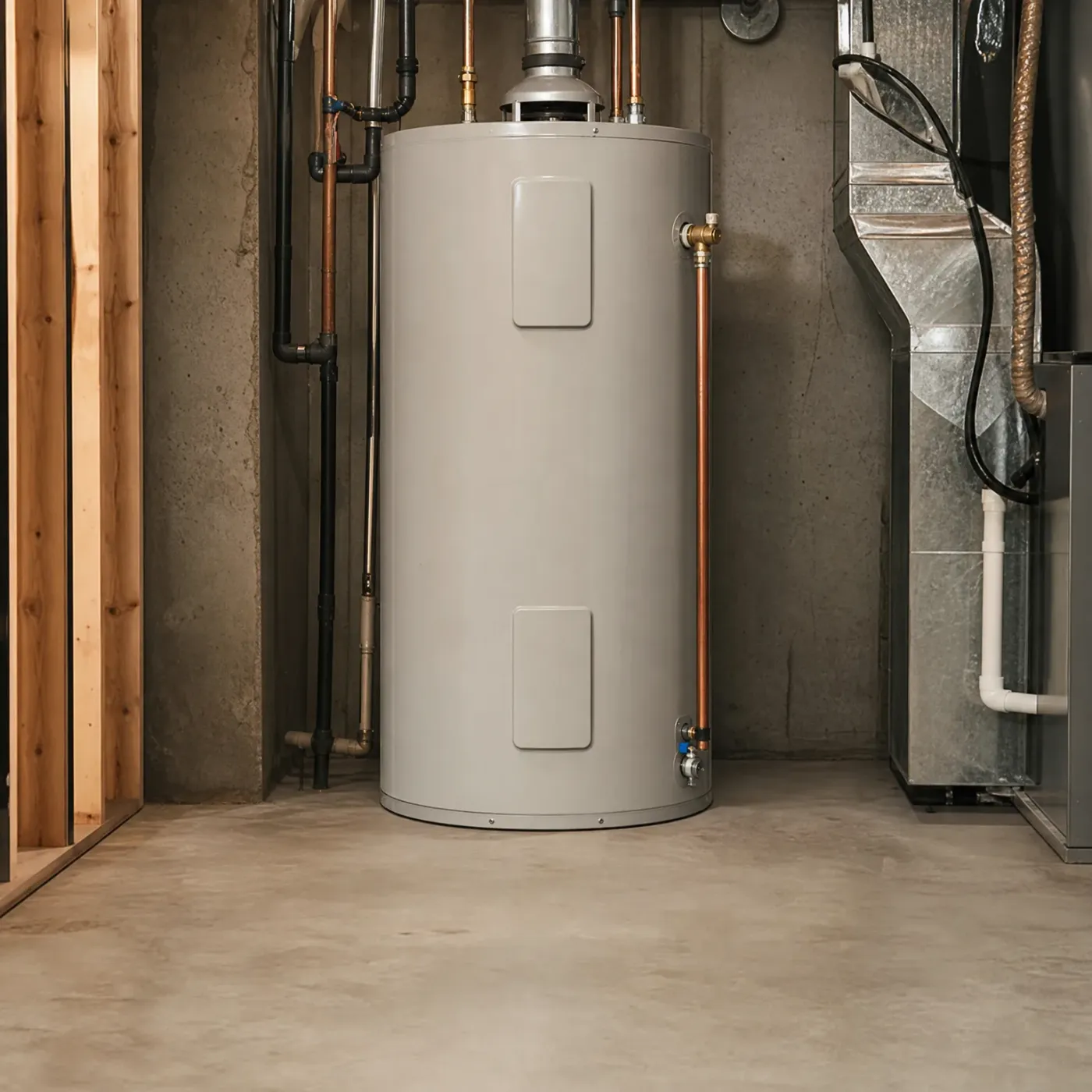
A tank like this heats water and holds it until you need it, with the gas line, the flue and the copper lines all doing their job. You get hot water at the tap for as long as the tank says you should, shower after shower.
Running out of hot water partway through a shower gets old fast, especially with a full house to get through in the morning. In Mobile County, most water heaters work alongside an electric system, and when a tank starts falling short, it usually means something specific is going wrong, not that the unit is simply old. Figuring out what's causing it on your own means calling around, explaining the same problem more than once, and trying to judge quotes without knowing what you're comparing. That's the part this page takes off your plate. Answer a few questions about your home and your water heater, and you'll be matched with a contractor who handles this kind of problem in your area. They'll reach out to you directly. No more searching, no more repeating yourself to the next person on the list. You still get to decide who you work with and what happens next. You just won't be doing the legwork to get there.
You used to get through the whole morning without thinking about it, and now the water turns cold halfway through a shower or before the dishes are done. It feels like the tank shrank, but a water heater that runs short faster than it used to is usually telling you something specific is wrong, not just that the household is using more.
A water heater that used to last the whole morning and now runs out fast is usually losing its working capacity. Sediment builds up on the bottom of the tank over time and takes up space that used to hold hot water, so a 50 gallon tank might only be heating 35. On an electric unit, which is what most homes in Mobile County run, a failing lower heating element can mean the bottom of the tank never heats at all, so you're only ever drawing from the top half. Either way, the tank itself hasn't changed size. What's changed is how much of it is actually doing the job.
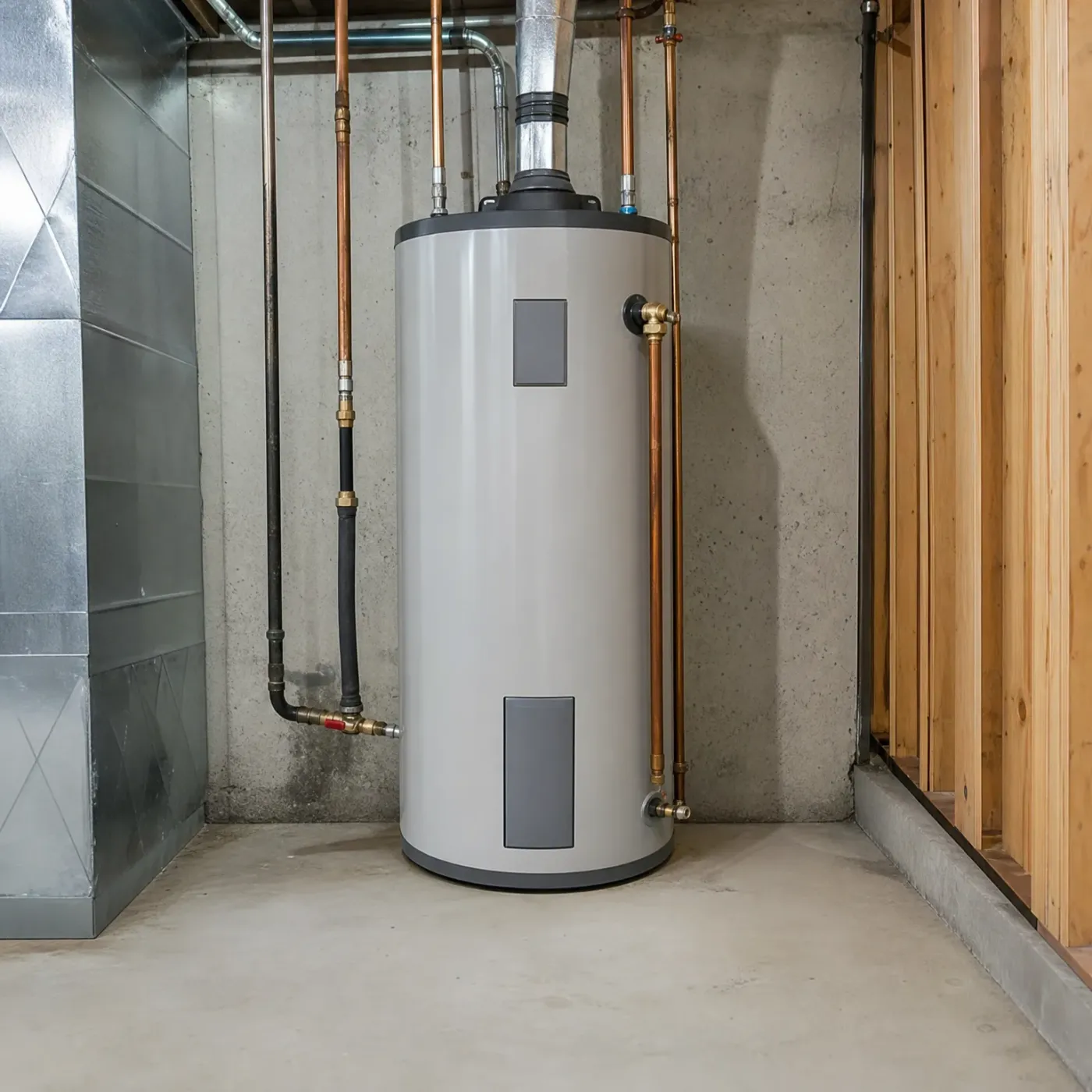
A tank like this heats water and holds it until you need it, with the gas line, the flue and the copper lines all doing their job. You get hot water at the tap for as long as the tank says you should, shower after shower.
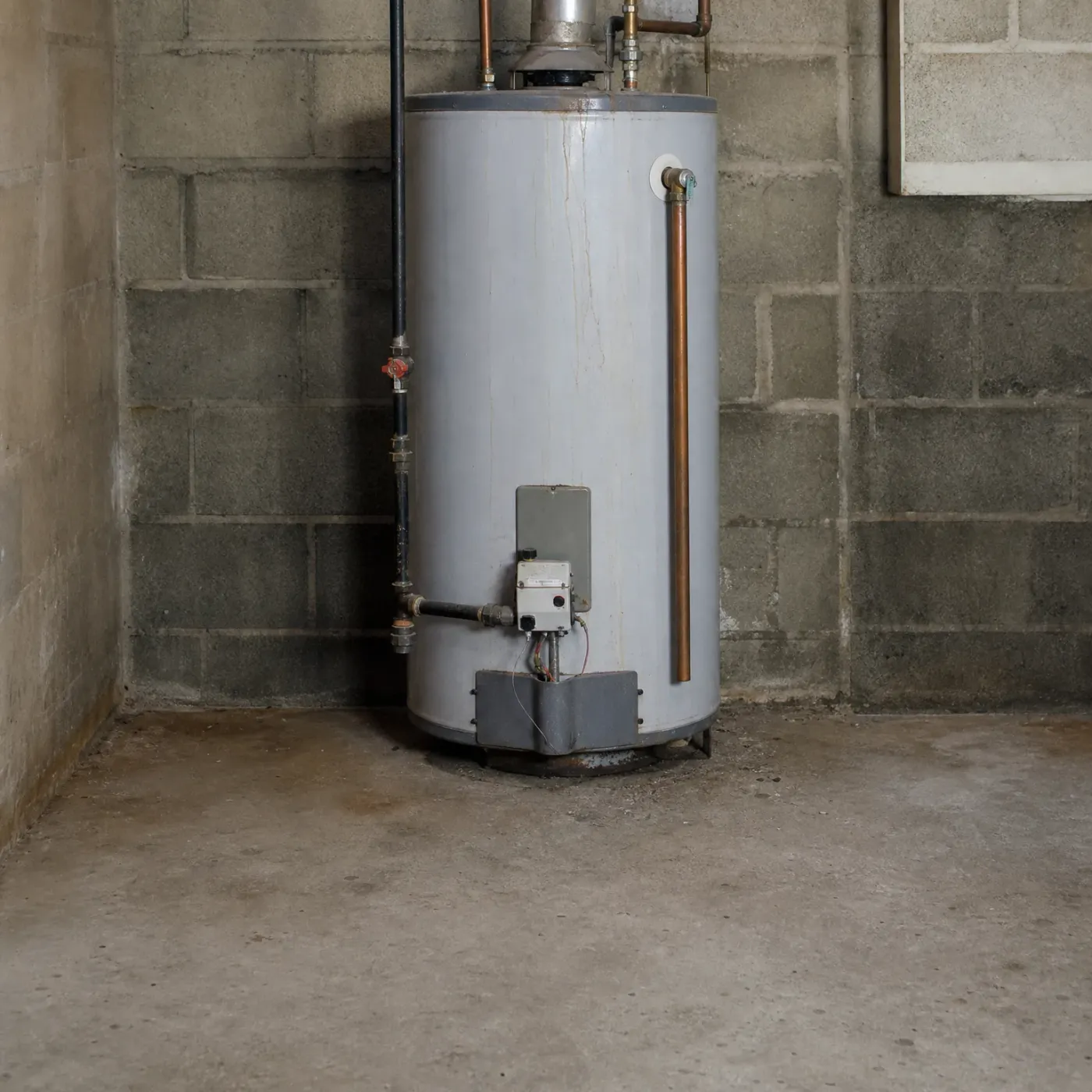
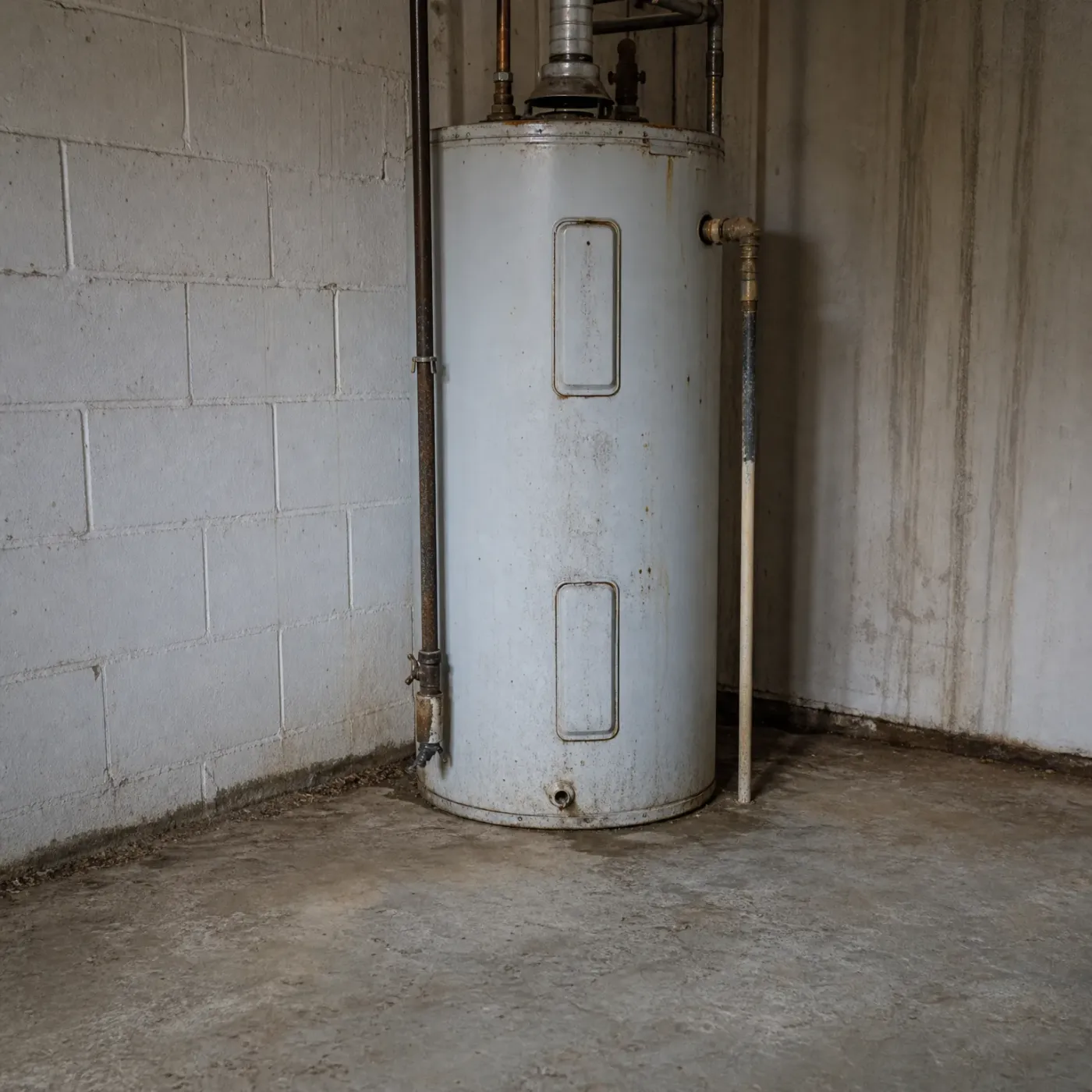
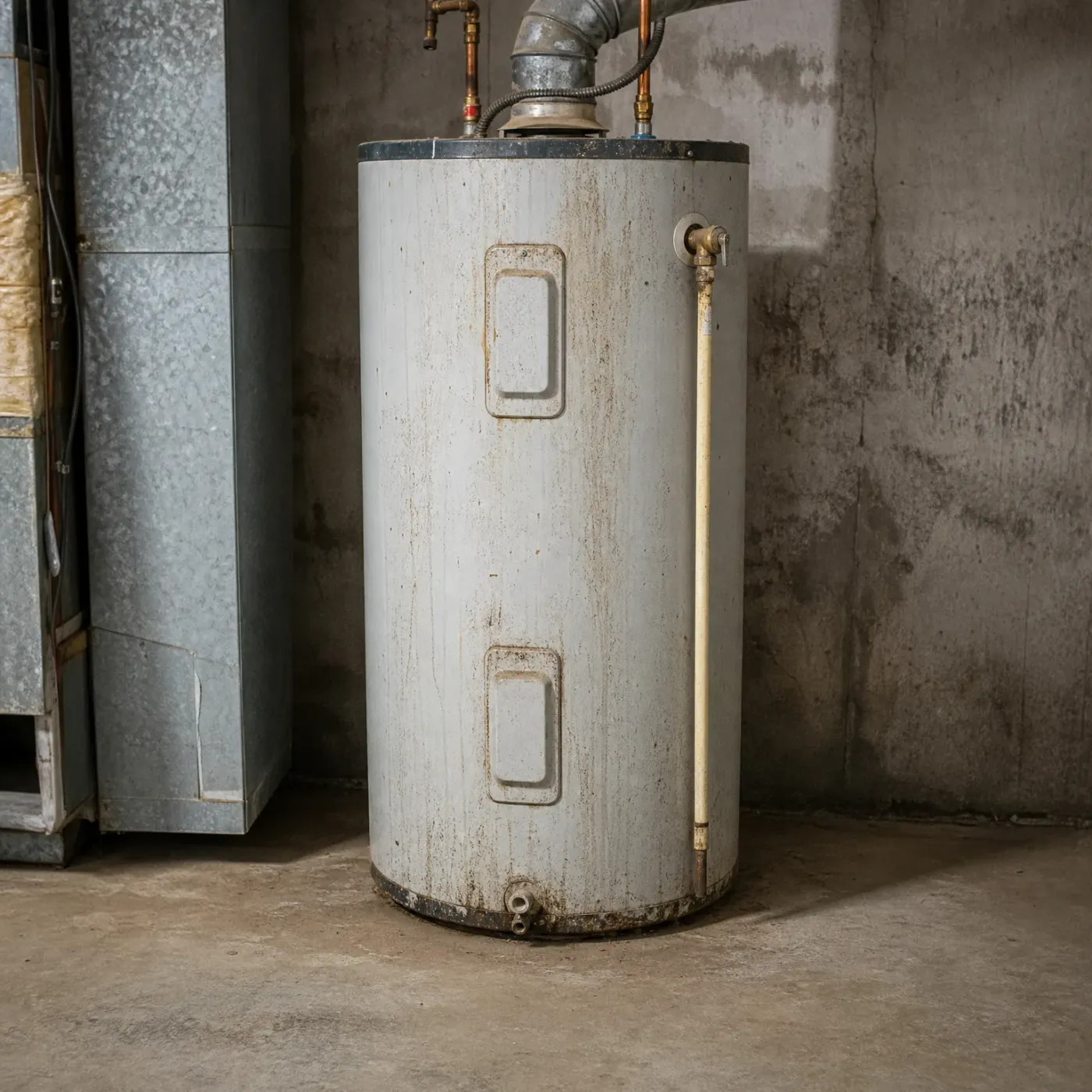
Here the same kind of tank is losing ground. Sediment on the bottom, a failing heating element, or a valve going bad all cut into how much hot water the tank can hold onto. The gas line and pipes still connect the same way, but the tank underneath isn't keeping up anymore.
2.5 people per household on average
With 2.50 people in the average household here, mornings stack up fast. A tank sized for one or two showers has to cover a lot more before the cold water hits.
Half the homes here were built by 1980
Half the homes in Mobile County were built in 1980 or earlier. A tank that came with a house that age has likely been replaced at least once, maybe without a size upgrade.
63.4% of homes heat with electricity
Electricity heats 63.4% of homes here, more than any other fuel. An electric tank recovers slower than a gas one, so a weak element or bad thermostat shows up as cold water sooner.
ACS 2020-2024
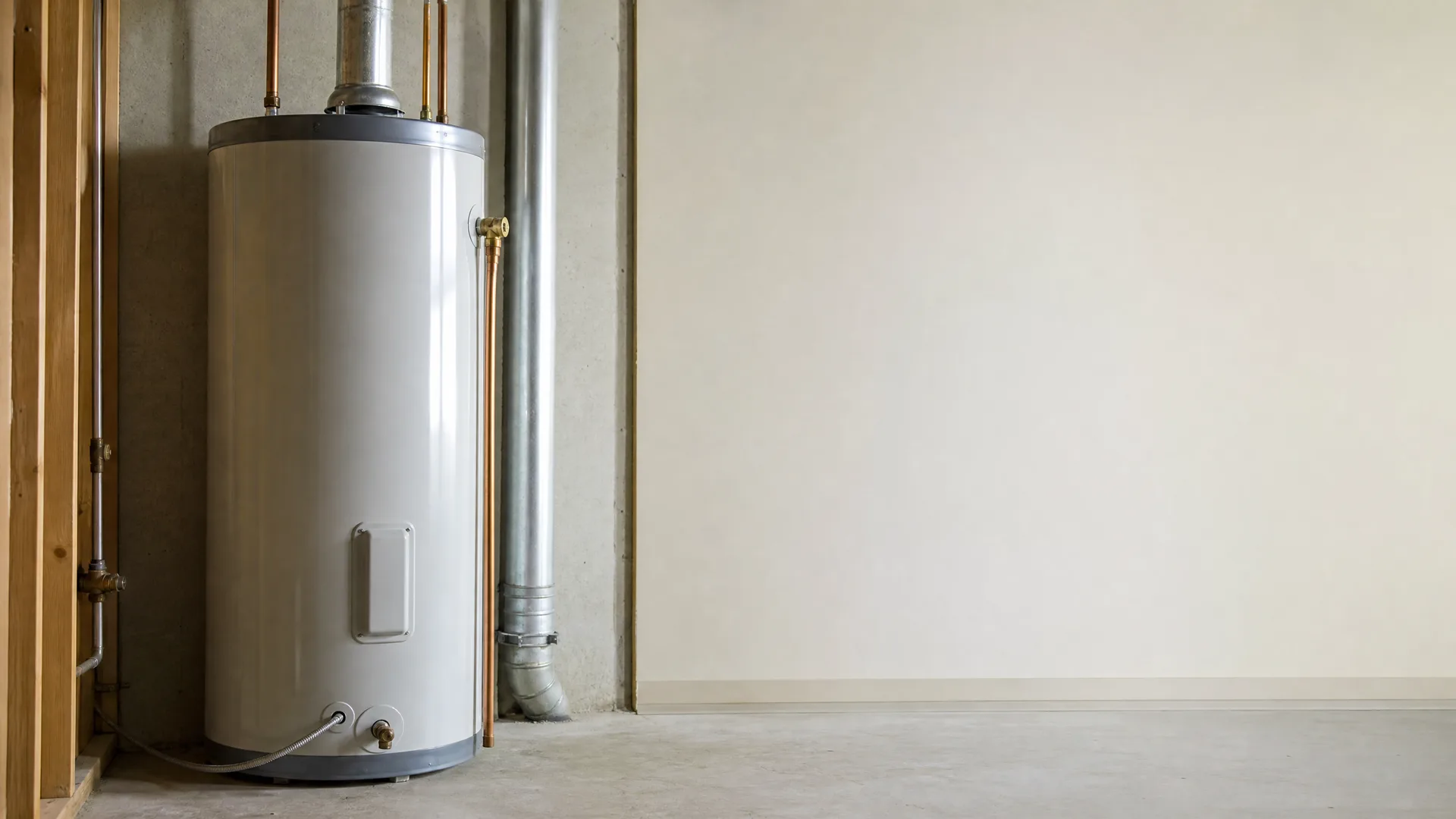
An electric water heater usually has two heating elements, one near the top of the tank and one near the bottom. When the lower element fails, the top one still heats the water near it, so the tap runs hot for a few minutes before turning cold. That short burst of warm water is often the first sign the lower element has burned out rather than the whole tank failing.
Mobile County's water leaves mineral sediment behind as a tank heats, and over time it settles and hardens at the bottom. That layer takes up room that used to hold hot water, so the tank holds less than it did when it was new. It can also sit between the lower element and the water, making the element work harder and wear out sooner.
At 17.82 cents per kilowatt-hour, an electric water heater working harder than it should shows up on your bill fast. A failing element or a thermostat stuck on the wrong setting means more hours spent heating water you're not actually getting to use.
EIA-861 2025
The hot water stage gets shorter before anyone says anything about it. A shower that used to run the whole time now turns lukewarm with shampoo still in your hair. Someone starts timing their shower around whoever went before them. Dishes get done in the morning instead of after dinner because that's when the tank still has something left. None of it looks like a repair problem at first. It looks like a schedule problem, so people work around it for a while before they call anyone, and the tank doesn't get better on its own while they do.
A tank that can't hold its heat runs longer to make up for it, and in Mobile County that means more hours of electricity at 17.82 cents a kilowatt-hour. You're paying for water that still ends up cold by the time it reaches you. Left alone, a bad element or a thermostat set wrong doesn't fix itself. The tank keeps drawing power to chase a temperature it can't hold, and the next bill shows it. Finding that out from a bill instead of a plumber costs more than the repair would have.
Explain the water heater problem once instead of to every shop in Mobile County.
A Mobile County pro who repairs water heaters gets your request.
It costs nothing to send, and you don't have to hire anyone.
A water heater doesn't fail all at once. It loses ground in small ways that add up to a shorter shower. Sediment builds along the bottom and makes the element work through it before the water above it ever warms. The thermostat can drift off its setting without the dial showing any change, so the tank runs cooler than you'd think from looking at it. Inside, a dip tube is supposed to send cold water down to the bottom where the heating happens, but a cracked one lets that cold water mix into the hot layer near the top, right where your tap draws from. The anode rod is doing quiet work too, protecting the tank's lining, and once it's used up the tank starts rusting from the inside out. All of this matters because the tank holds its heat in layers, hot on top, cool on the bottom, and anything that disturbs that order cuts into the hot water you get before the cold hits.




A gas tank that falls short usually isn't a capacity problem. Most of the time it comes down to the thermocouple or the burner. The thermocouple sits in the pilot flame and tells the gas valve it's safe to stay open. When it weakens, it can shut the valve off mid-cycle, so the burner never finishes heating a full tank before the gas supply cuts out. You'll notice the pilot light going out on its own, sometimes more than once a day. A burner that short-cycles, kicking on and off faster than it should, runs into the same trouble from a different direction: it never stays lit long enough to bring the whole tank up to temperature. Look at the flame itself. It should burn blue. A yellow flame or soot around the burner means it isn't getting enough air, and a burner starved for air can't heat water the way it's supposed to.
Electric tanks have their own version of this. A high-limit switch is meant to shut off power if the water gets too hot, but once it trips, it stays off, both elements, until someone resets it by hand. Until that happens, the tank sits there with no power at all, not just a weak element.
One more thing worth checking before assuming the tank is at fault: the hot and cold lines at the supply connections. If they're crossed, some of the hot water headed to your tap gets routed back out as cold, so you lose water you already paid to heat.



A tank that used to carry the whole house through the morning and now quits by the second shower has a reason, and it's one a licensed contractor can find. Sometimes it's a failing element. Sometimes it's a thermocouple, or sediment sitting on the bottom of the tank, or a thermostat that drifted off its setting. The fix is specific to what's actually wrong, not a guess.
Getting there usually means calling around, explaining the same problem to a few different companies, and sorting through quotes before you even get someone out to look at the tank. You can skip that part. Answer a few questions about your water heater and what it's doing, and a contractor who works on these systems in Mobile County gets matched to your situation and reaches out to you directly.

Find a water heater repair pro in Mobile County