
Popping, but otherwise normal
If the tank is sound and the water still gets hot, the popping is sediment knocking around at the bottom while the burner fires. The pipes and connections look fine. Flushing the tank clears a lot of it out.
That popping sound from your water heater usually means sediment has built up at the bottom of the tank, and it's been sitting there a while. In Mobile, where the ground water running through most homes carries a fair amount of mineral content, that buildup happens faster than people expect. Left alone, it makes the tank work harder, and that costs you on a power bill that's already not cheap. You don't have to spend your evening calling around to find out who works on water heaters, checking if they're licensed, or explaining the same noise three different times to three different people. Send the form here and that part is handled. You'll be matched with a licensed contractor in Mobile who knows what that sound means and what to do about it, and you can stop carrying the job of finding them.
That popping or rumbling comes from water trapped under a layer of sediment at the bottom of the tank. As the burner or heating element fires, that trapped water flashes to steam and pushes its way out through the sediment, and that's the noise you're hearing. The longer it sits, the thicker that layer gets. A thick layer of sediment makes the tank work harder to heat the water above it, and it can wear on the tank itself over time. This isn't an emergency by itself. Plenty of water heaters keep running for years making this noise. But it's worth having someone flush the tank and take a look, because sediment that keeps building can shorten how long the unit lasts and push your water heating costs up in the meantime.
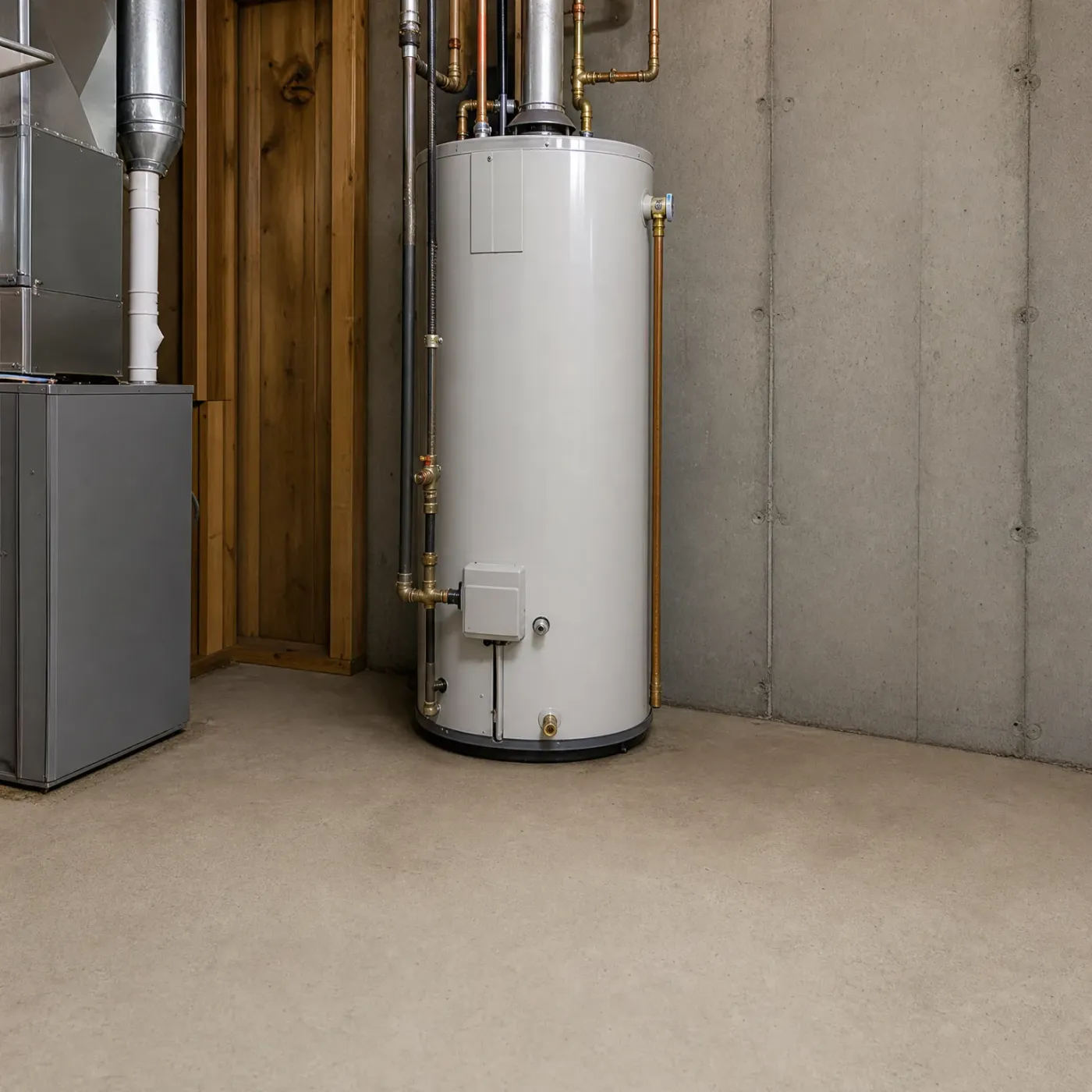
If the tank is sound and the water still gets hot, the popping is sediment knocking around at the bottom while the burner fires. The pipes and connections look fine. Flushing the tank clears a lot of it out.
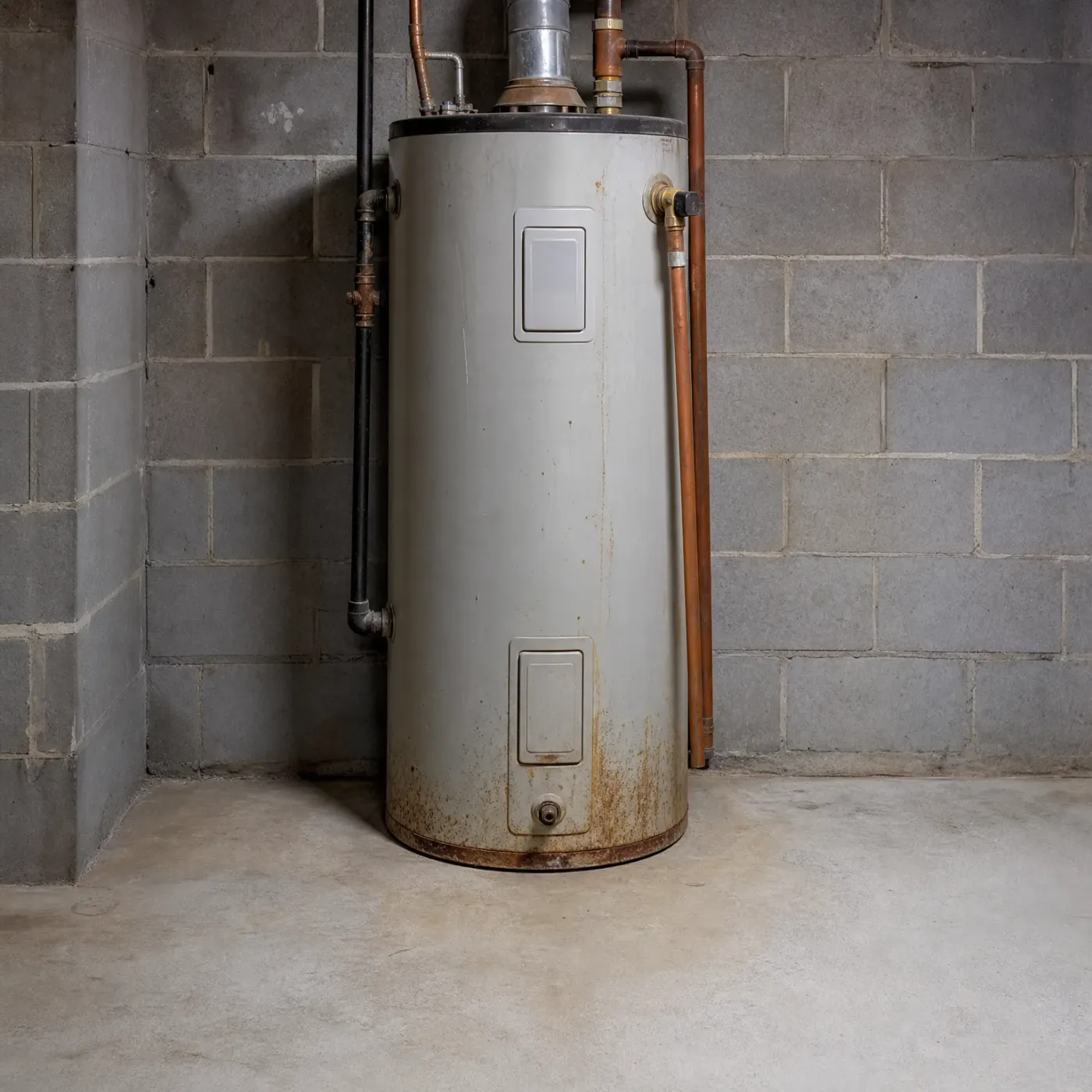
Rust along the seams or at the bottom of the tank is a different problem. Sediment caused the noise, but the rust means the tank itself is wearing through, and flushing it won't fix that.
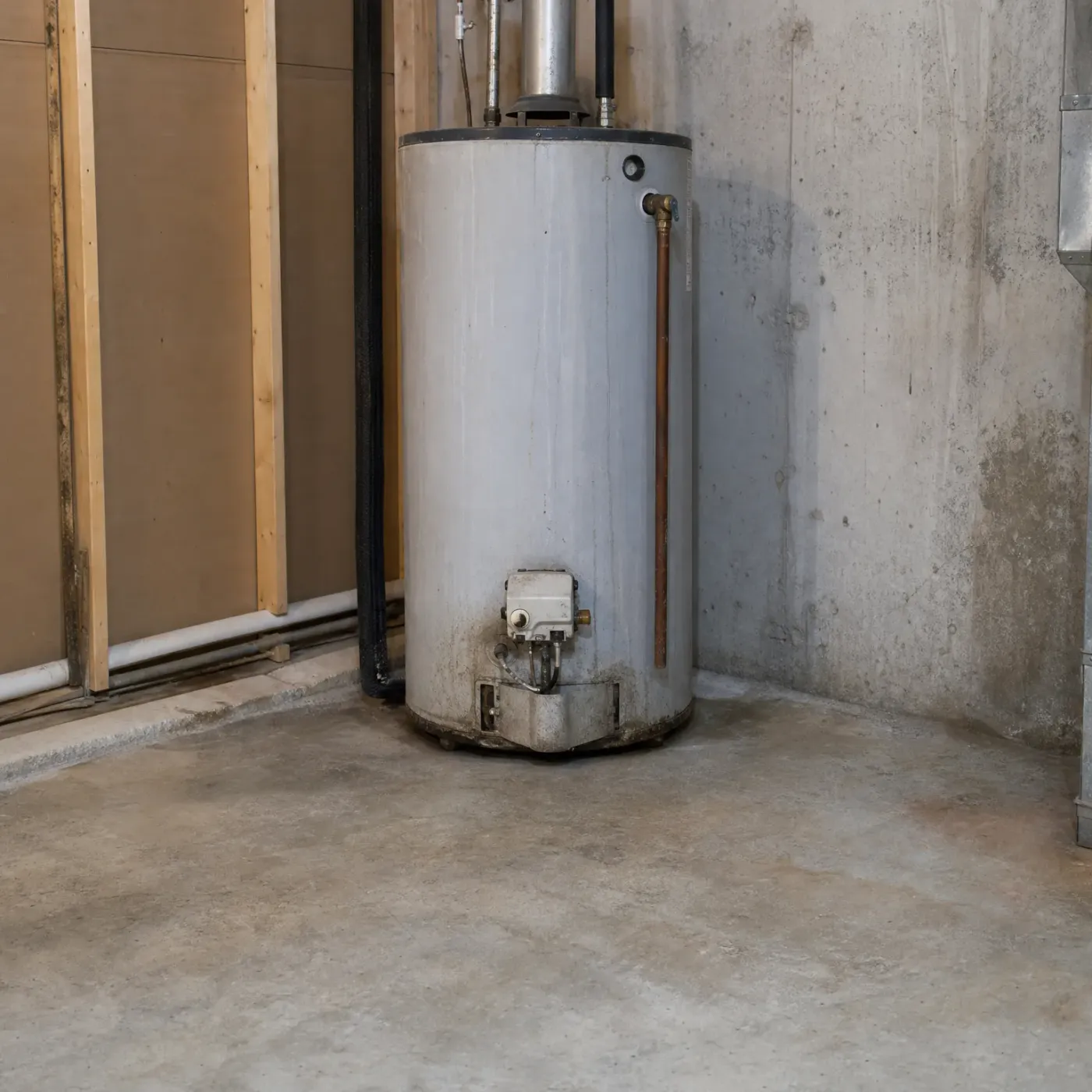
Stand near the tank and you'll hear it clearly, a series of pops or a low rumble each time the burner or element kicks on. Some homes notice it more at night when the house is quiet. You might also see the water taking longer to heat up, or notice less hot water than you're used to, since sediment at the bottom takes up space and gets between the heat and the water above it. Left alone, that layer keeps building. On a gas tank it can scorch the metal above it over time, and on either type it makes the heater work harder to do the same job.
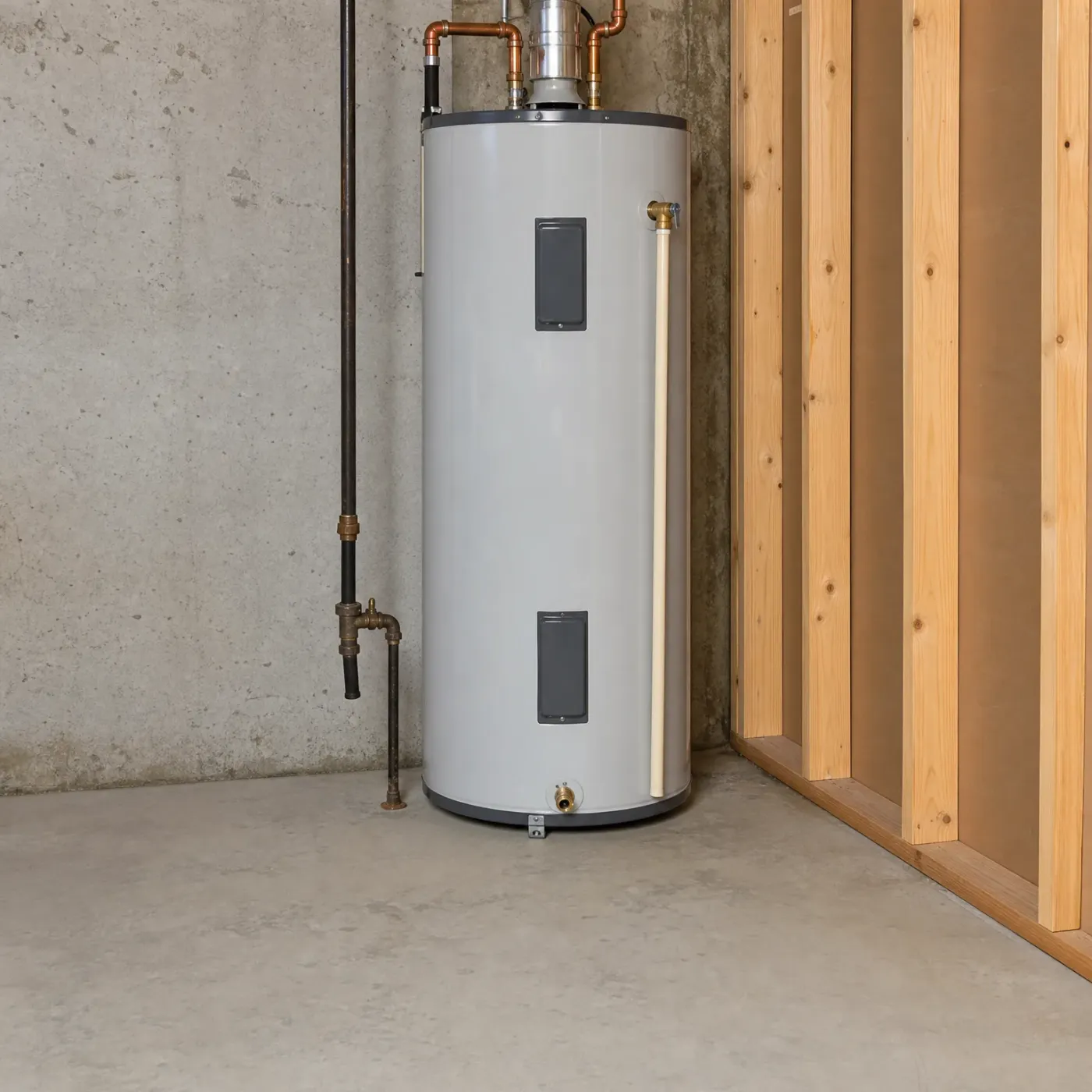
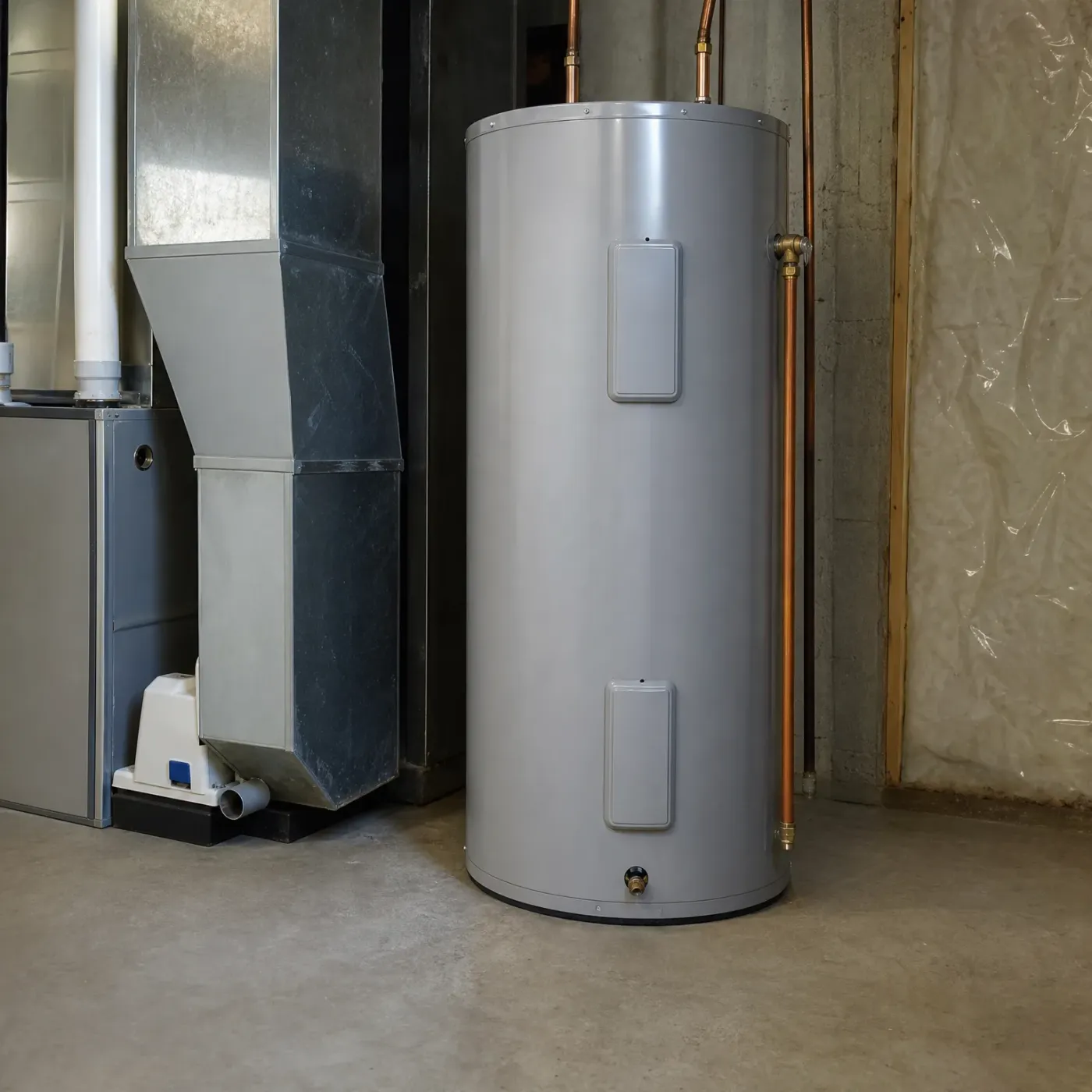
The tank heats the way it should and nothing is leaking at the fittings or the relief valve. The popping is just sediment knocking around at the bottom while the burner or element cycles. Flushing the tank clears a lot of that out.
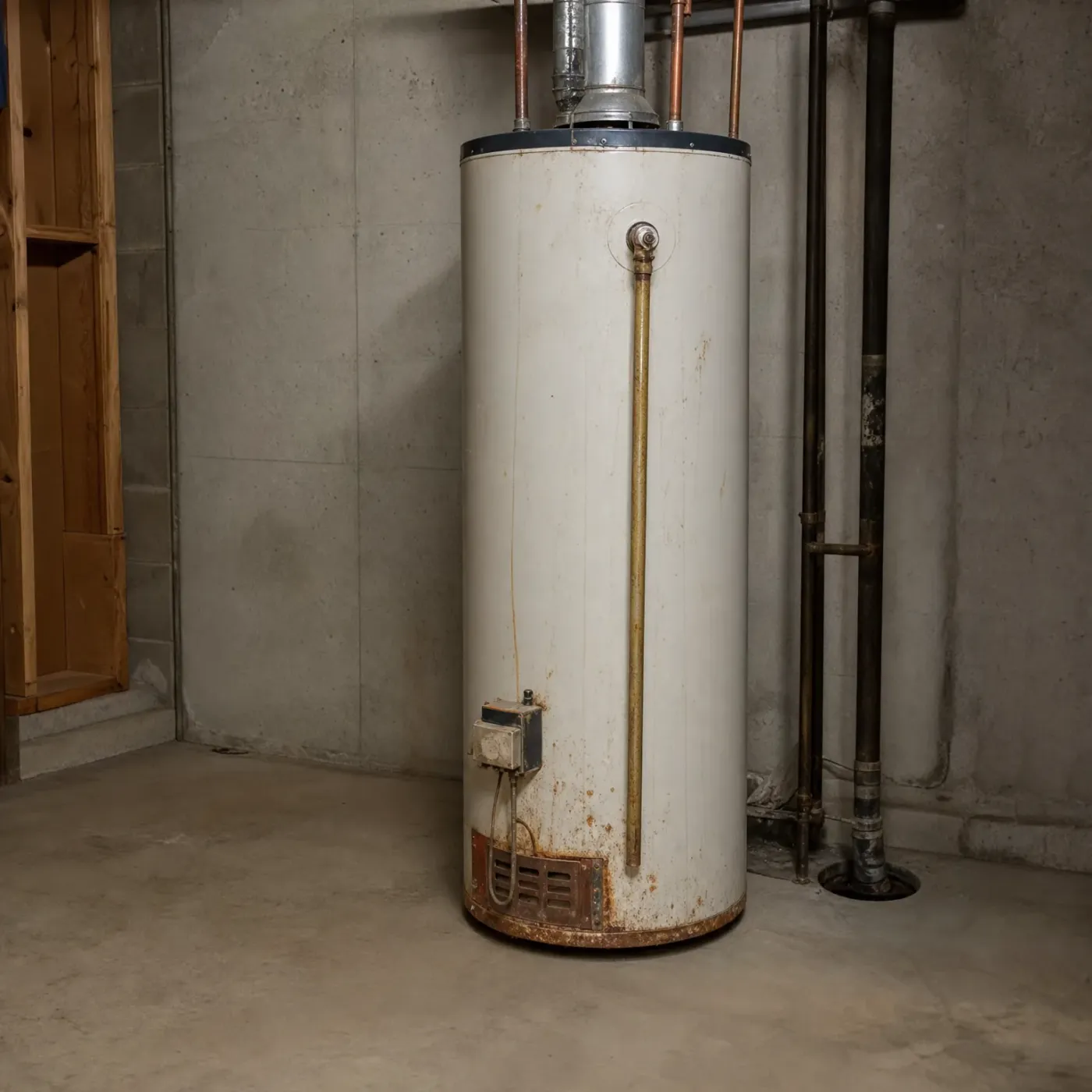
Rust along the base or discoloration on the lower section means the sediment has been sitting long enough to start working on the metal. Combined with popping, that's a tank closer to the end of its life, not just a tank that needs flushing. A contractor can tell you which one you're looking at.
2.5 people per household on average
With 2.5 people typically in a household here, the tank is heating and reheating water daily, and every cycle leaves a little more sediment behind.
Half the homes here were built by 1980
Half the homes in Mobile County were built in 1980 or earlier. A water heater that came with an older home has had a long time to collect sediment at the bottom of the tank.
63.4% of homes heat with electricity
Most homes here, 63.4%, heat water with electricity. An electric heating element sits down in the tank, right where sediment settles, so it fires through that buildup every time it kicks on.
ACS 2020-2024
Sediment sits at the bottom of the tank and hardens into a layer over months of use. Once it's there, it works like insulation between the burner or element and the water above it. The heater has to run longer to get the same water hot, and that layer is what's trapping the water that turns to steam and pops. Left alone, that layer keeps thickening. A tank that's never been flushed can build up enough sediment to cover the bottom entirely, and at that point flushing it out gets a lot harder.
The popping usually doesn't stay the same from one month to the next. As more sediment collects, there's more surface for water to get trapped under, so the noise shows up more often and runs louder when it does. Some homeowners notice it's worse after the water heater has been running hard for a stretch, since more cycles means more chances for water to get caught under that layer. If the sound keeps changing, that's the sediment layer changing with it, not the tank settling down.
At 17.82 cents per kilowatt-hour, a water heater with sediment built up at the bottom isn't just noisy, it's working harder than it should to heat through that layer. Flushing the tank out lets the element or burner do its job without fighting the buildup, which matters at that rate.
EIA-861 2025




You've heard the popping and you know enough now to know it's sediment, not something about to fail outright. That doesn't mean it's worth living with. Every cycle the burner or element fights through that layer, the tank works harder and your power bill carries that cost, month after month, as long as it sits there. Getting someone out to flush it means you don't have to spend an afternoon calling around Mobile, asking who works on water heaters, explaining the popping to three different people and waiting on quotes that may or may not come back. Send the request once and that work is off your plate. Whether it turns out to be a straightforward flush or something more, like a cracked dip tube or a heating element on its way out, you'll have a licensed contractor who's already heard what's going on and can take a look at your tank instead of you starting from scratch with a search.
A tank flush is simple in theory. Shut off the power or gas, connect a hose to the drain valve, run it outside or to a drain, and let the water run until it clears. If the heater has never been flushed and the sediment has sat there for years, that drain valve can clog with the same sediment it's supposed to release, and plastic valves can crack or snap off when they're old. A homeowner who's comfortable shutting off a water line and working around a hot tank can do a light flush without much trouble. One where the valve won't open, or the tank is old enough that nobody's touched it, is a different job.
A contractor flushing the tank is also looking at what the flush alone won't tell you: whether the anode rod is still protecting the tank, whether the relief valve still seals, whether the popping has already pitted the tank floor. A flush clears sediment that's loose. It doesn't rebuild a valve that's corroded shut or tell you if the tank itself is starting to go. Sending the details once means not explaining the noise, the age of the tank, or what you've already tried, to every contractor you call before you find one who'll take the job.
Water sits at the bottom and sediment settles on top of it.
The burner or element fires and heats through the layer.
Trapped water underneath turns to steam and pushes upward.
Steam forces its way through the sediment and up through the water.

The sound in your tank is water working its way through a layer of sediment that's settled at the bottom. That's the whole story. It tells you the tank is still heating, still holding water, and still worth flushing rather than replacing.
What's left is finding someone who'll actually flush it right, especially if it's been years since the last one and the sediment has packed in hard. That usually means calling around Mobile, asking what a flush runs, waiting on callbacks, and explaining the same popping sound more than once before anyone shows up. Send the form and that part's done. You've already got the answer. Someone else can take it from here.



It's off your list after this
Skip searching for a water heater pro and answer a few questions instead.