120°F
The setting that keeps water hot enough to use and cool enough to stay safe, and keeps an electric water heater from running longer than it needs to.

120 degrees is the right setting for a water heater in Alabama. That holds whether it runs on gas or electricity, and most homes here are electric. Go lower than 120 and bacteria can grow in the tank. Go higher and you're paying to heat water hotter than anyone needs it, plus raising the risk of a scald at the tap. Some manufacturers ship units set at 140, so if yours has never been checked, it may be running hotter than it should. The dial is usually behind a small panel on the front of the tank, marked in warm, hot and very hot rather than exact numbers, so getting it to land on 120 isn't always straightforward. A water heater that's been sitting at the wrong setting for years is also a water heater that hasn't had anyone look at the anode rod, the sediment, or the pressure valve.




The setting that keeps water hot enough to use and cool enough to stay safe, and keeps an electric water heater from running longer than it needs to.
The thermostat dial can drift or get bumped. A yearly check during maintenance confirms it's still holding at 120 and not quietly costing you more each month.
At 120 degrees, your electric water heater isn't working harder than it has to. Bump the dial up and it has to pull more power every time the tank reheats, and with electric rates in Alabama that shows up on the bill every month, not just once. Leave it too low and you're not just losing heat at the tap, you're giving bacteria a temperature range they can grow in.
Checking the setting takes a minute, but most people don't think about it until the water runs lukewarm or the heater won't stop running. If you'd rather not spend an evening looking up contractors, calling to ask if they service water heaters, and describing the same problem three times, send the form instead. Once it's in, you're done searching. Someone licensed for this takes it from there.

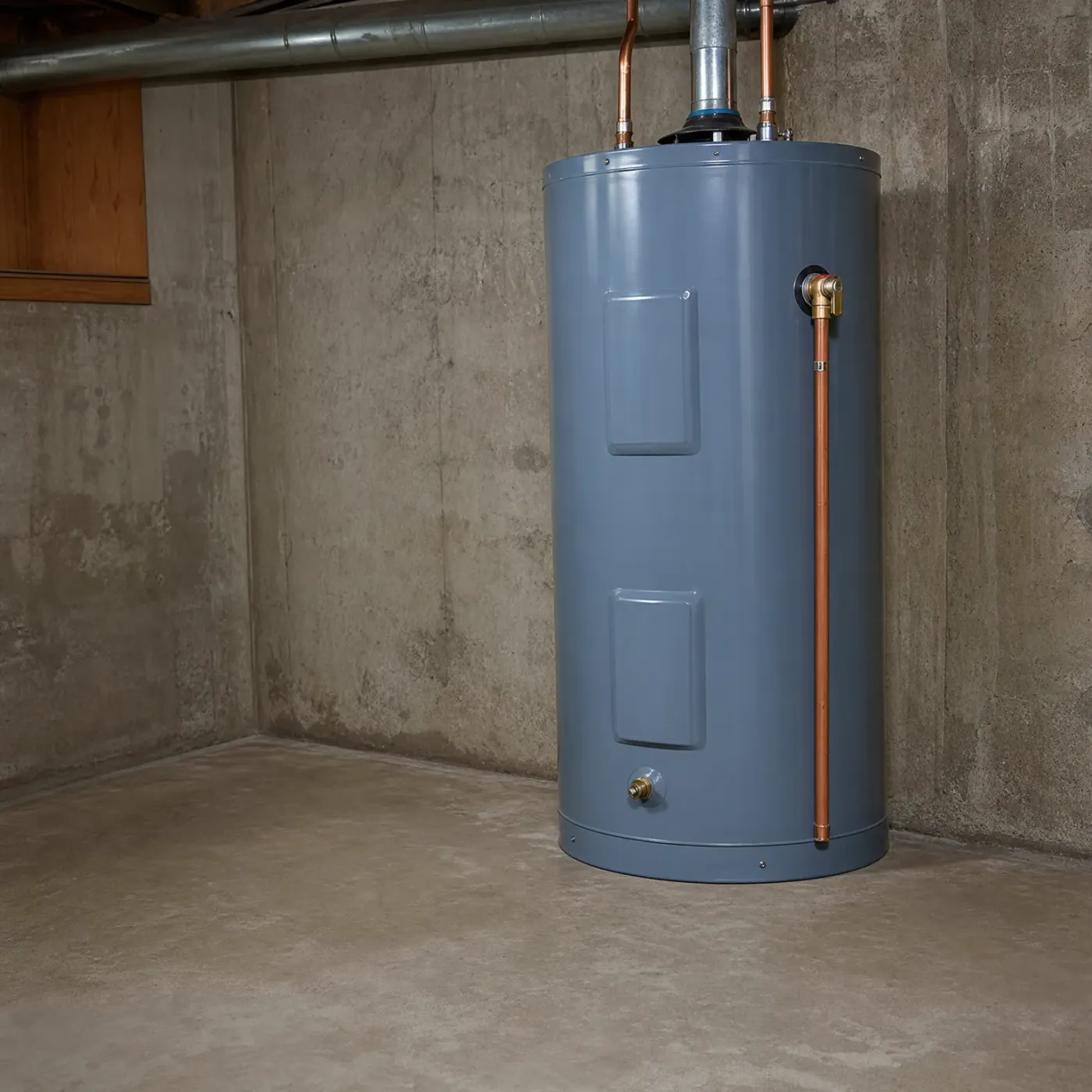
This is what a water heater at 120 degrees looks like doing its job. The tank cycles on, heats, and shuts off without strain. The connections stay dry, the drain valve stays closed, and there's nothing here asking for attention.
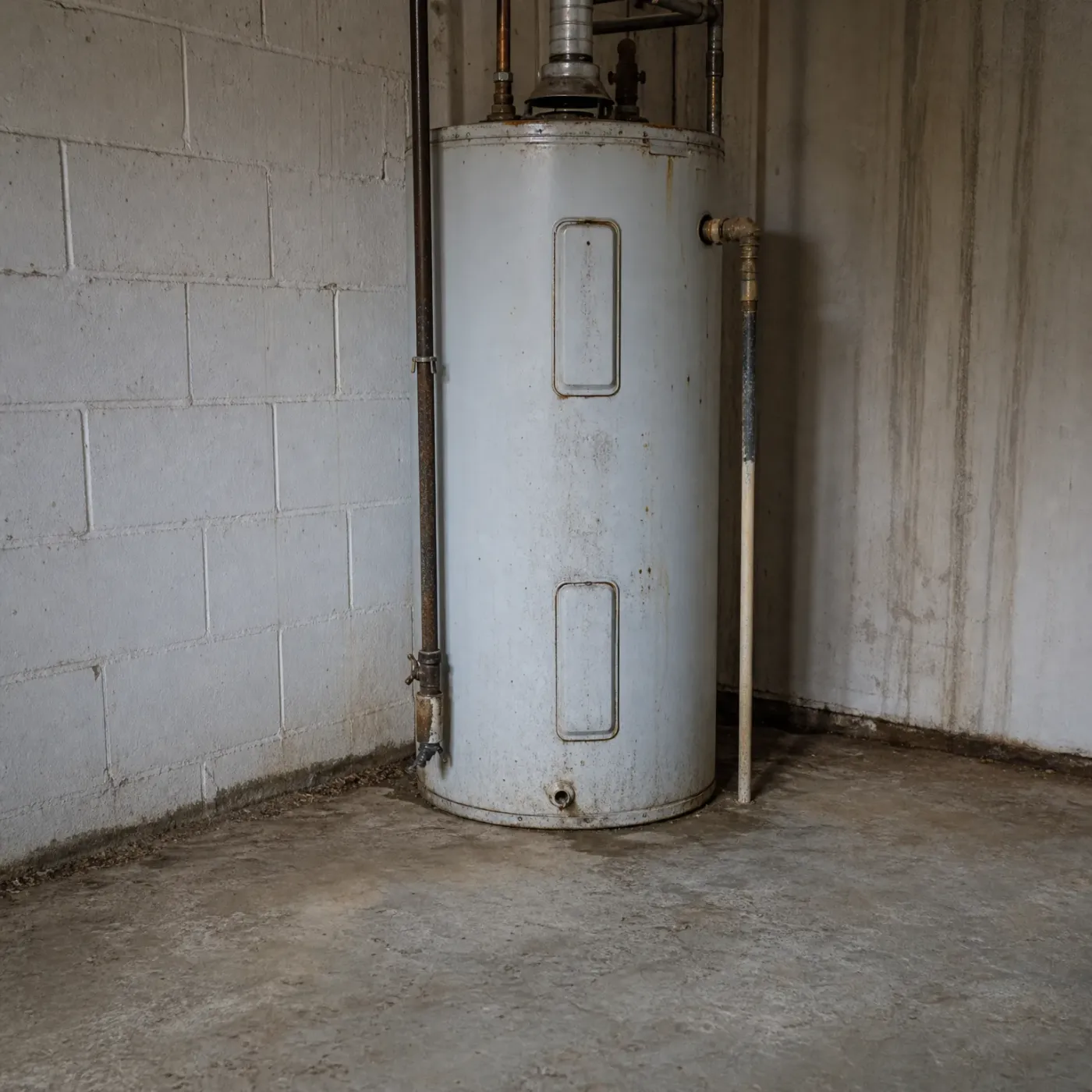
Corrosion like this doesn't come from one bad setting. It builds over years of skipped checks, and a tank this far gone can fail without warning. A yearly look during maintenance catches it long before it reaches this point.


Describe your water heater job once, to one pro.
No charge to send it. You decide if you hire them.
An electric water heater sitting in a hot attic or garage during an Alabama summer already starts with warmer incoming water, so it doesn't need the thermostat pushed any higher to keep up. Set past 120, it's cycling on more than it needs to, and that's extra load on top of what the AC is already costing you to run. Keeping the dial at 120 through the muggy months means the tank isn't fighting the heat around it and your own thermostat setting at the same time.
Incoming water runs colder in winter, so the tank works harder to reach 120 no matter what. That's normal and expected. The mistake is nudging the dial up to compensate, thinking the water isn't getting hot enough fast enough. It doesn't need to run hotter in January than it does in July. The setting stays the same both times of year. What changes is how long the tank runs to get there, not the number on the dial.
With two out of three Alabama homes heating with electricity, yours is probably one of them, and that means the thermostat setting on your water heater is the one dial standing between you and a higher bill every time the tank reheats.
ACS 2020-2024 5-year B25040
The answer is simple and it doesn't change with the season. Set your water heater to 120 degrees, whether it runs on gas or electric, and leave it there. That number keeps the water hot enough to use and cool enough that nobody gets scalded, and it keeps an electric tank from cycling more than it needs to. Alabama summers don't move that number. Warmer incoming water just means the tank does less work to hold 120, not that 120 should change. Where the work actually lives is in the checking. Thermostat dials drift. They get bumped during other work, or they just wander over the years, and a tank quietly running at 130 or 140 doesn't announce itself except on the power bill. A yearly check catches that before it costs you anything. Left alone, a water heater at 120 doesn't ask for much. It cycles on, heats, shuts off, and sits there doing its job. The only real task left is finding someone to do that yearly check, and that's usually where people lose an evening, calling around, explaining the same thing to three different companies, trying to tell which quote is fair. That part isn't a judgment call you need to make alone. Once you've got someone lined up to look at the tank, the setting takes care of itself, and so does everything that depends on it.



Fill out one form instead of calling around for a water heater tune-up.
There's no charge for the request.