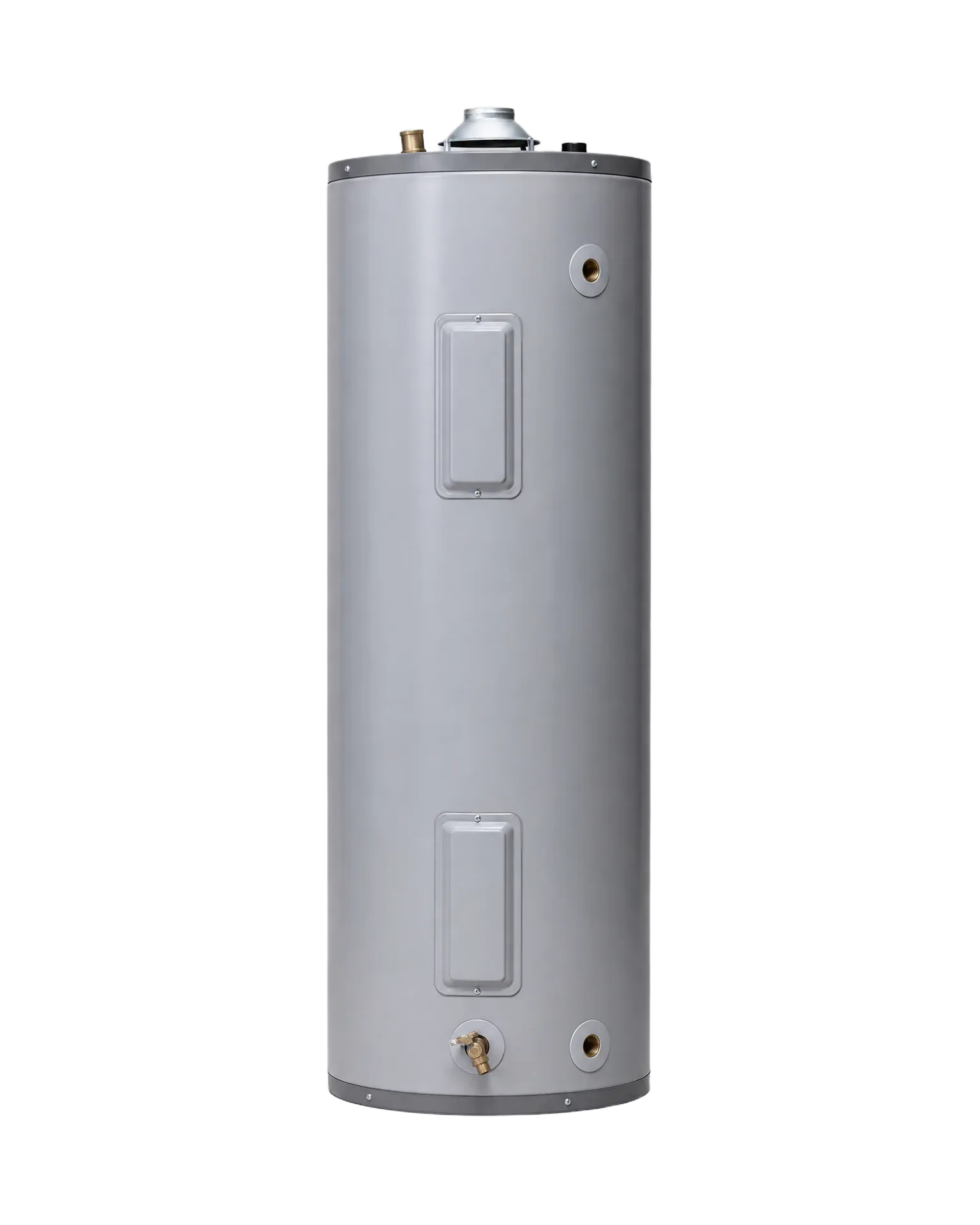
Most homes in Alabama heat water with electricity, and an electric water heater only has two elements working to recover the tank. Once you draw down the hot water, usually with back to back showers or a shower running while the washer fills, the lower element has to reheat the whole tank from the bottom up before more hot water is ready. If one element has failed, you are running on half the recovery power and will not notice until the tank runs dry faster than it used to. A bad thermostat can also tell the unit to shut off before the tank is actually hot, and sediment sitting on the bottom of the tank takes up space where hot water should be and insulates the lower element from the water it is supposed to heat. None of this means the tank is too small. It usually means something inside it is not working the way it was built to.




How the elements take turns
An electric water heater does not run both elements at once. The upper element heats the top of the tank first, then shuts off, and the lower element takes over to reheat the rest. If the lower element has failed or the thermostat controlling it has drifted out of calibration, only the top few gallons ever get hot. That's enough for a quick shower but not for the second one right after it. You can check this yourself: if the water goes from hot to lukewarm to cold fast, rather than tapering off slowly, the lower element or its thermostat is the likely cause, not the tank size.
Sediment takes up space and time
Tanks here build up sediment faster when the heater runs hard through a muggy summer and a full year of electric heating. That layer settles on the bottom, right where the lower element sits, and it does two things: it insulates the element from the water so heating takes longer, and it shrinks the volume of water the tank can actually hold. A 50 gallon tank with a few inches of sediment might only be heating 40 gallons worth of usable water. This builds slowly, so a tank that ran fine last year can fall short this year without anything else changing.


A water heater working the way it should still gives out partway through a string of showers, because recovery takes time and the tank only holds so much. That's normal, and it's not what a repair fixes.
Running out of hot water after one shower, or finding it lukewarm from the start, means something in the tank has stopped doing its job. A licensed local contractor can check the elements and thermostat and tell you which one failed.
67.4% of homes statewide heat with electricity
If your water heater runs on electricity, you're in the majority here, not the exception. Those two elements are doing all the recovery work in your house, with no gas backup to lean on. When one element quits, nothing else in the system picks up the slack.
ACS 2020-2024 5-year B25040
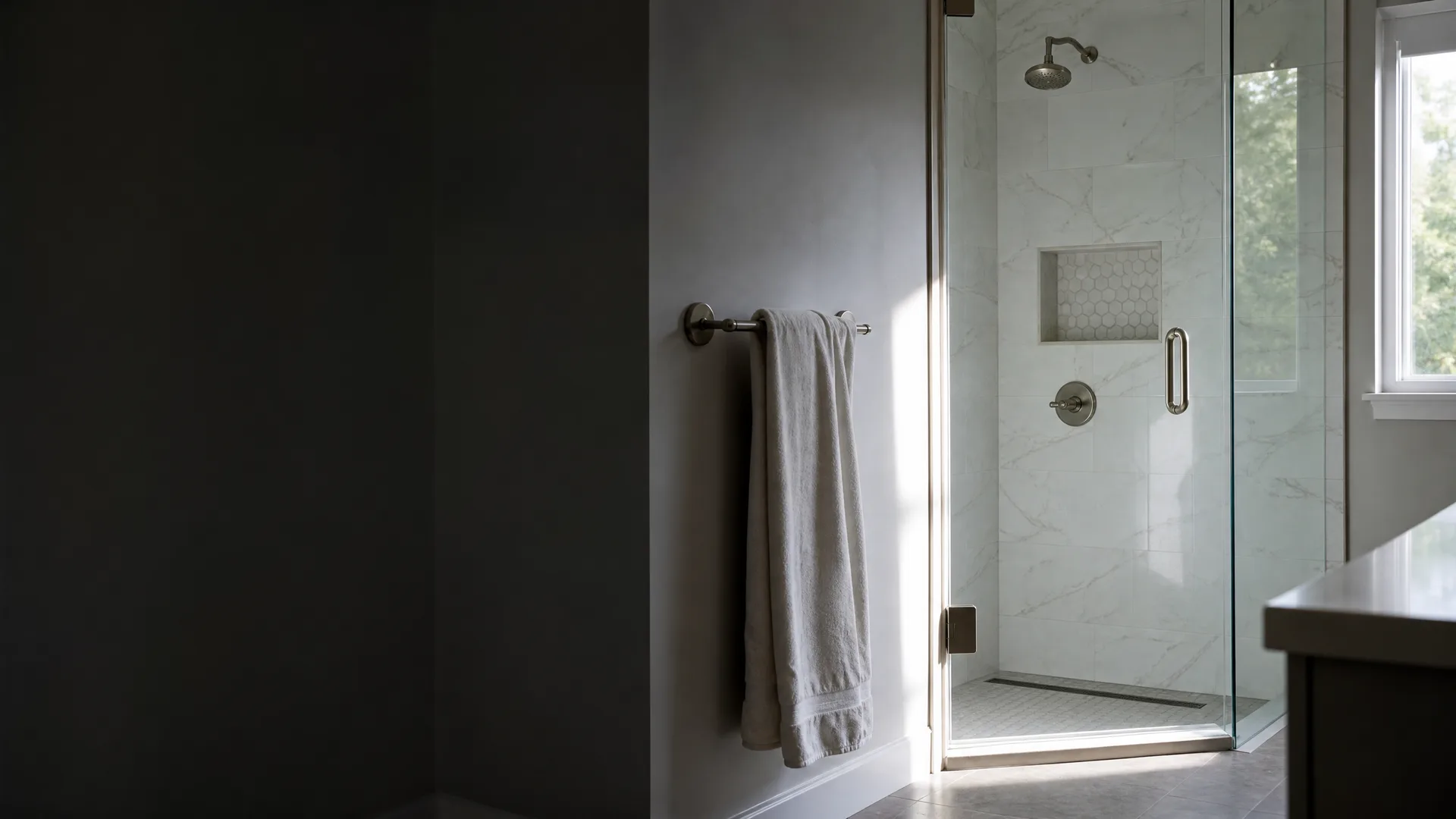
The water's already cold by the time you get in. It's a weekday morning, everyone running late, and your daughter showered twenty minutes ago. You turn the handle and wait for steam that doesn't come. The towel's still on the rail where you left it, dry. You stand there a second, hand under the water, hoping it's just slow to warm up. It isn't. Downstairs someone's asking if the bus has come yet. You shut the water off and start over with a washcloth and the sink tap, because there's no time to figure out why the heater isn't keeping up, only time to get everyone out the door. The question of what's wrong with it waits until tonight.
Skip the calls to every shop
A bad element doesn't fix itself, and it doesn't get cheaper to guess at. You could start calling around, explaining the shower situation to one company after another, waiting on callbacks, then stacking up quotes to figure out who actually works on electric water heaters instead of just gas. Or you could put in the request once and let a licensed contractor near you take it from there, someone who works on these tanks all year and has seen this exact pattern, hot water for ten minutes then nothing, more times than you have. Only one contractor gets your request, so you're not fielding five calls this afternoon while you're trying to get your daughter out the door with a cold towel and a dry head. You still have a morning to get through. This part, finding someone who knows what a failed lower element looks like, doesn't have to be the hard part.
What's Behind the Cold Water
- A short shower that turns cold is almost always one failed element, not a tank that's too small for your house.
- Electric water heaters here have no gas backup, so when the lower element quits, the upper one can't make up the difference.
- A contractor who works on electric tanks all over Alabama can usually tell which element failed before opening the panel.
- Fixing the element restores the full recovery time you had before, not a temporary workaround.
- One local, licensed contractor takes the call, so you're not fielding quotes from three different companies for the same job.
- The cold water you're hitting mid-shower is a sign to act on, not something to keep working around with shorter showers.
The pattern points to one thing. Your water heater runs on electricity, like most homes around you, and it depends on two elements trading off to keep the tank hot. When the lower one fails, there's nothing else in the system to cover for it. No gas burner kicks in. The upper element heats what it can reach and stops there, which is why the shower runs warm for a few minutes and then doesn't.
That's a fixable problem, not a sign you need a bigger tank or a new habit of shorter showers. Once the failed element is replaced, the tank goes back to recovering the way it did before, heating top to bottom the way it's built to.
Finding someone who actually works on electric tanks is usually the slow part. A contractor who services water heaters across Alabama all season has likely seen this exact failure dozens of times, in homes with the same setup as yours, and can often narrow down which element is out before touching the panel. You'd be working with one licensed, local contractor who takes the job from first call to repair, not sorting through separate quotes and separate explanations for three different companies.
The cold water mid-shower isn't something to plan around. It's a part that failed and needs replacing, and the fix is straightforward once the right person is on it.

Water Heater Repair
Skip calling around

- Tell a local repair pro what your water heater is doing.
- Describe your water heater job, and a local pro who handles it gets in touch.

- Once you send the form, finding a pro is off your list.
- After you send the request, you're done searching.

- Fill out one short form instead of calling around.
- Explain the job once and skip repeating it on every call.

- The pro who reaches out is licensed in Alabama.
- Only one pro gets your request, so you hear from one company.