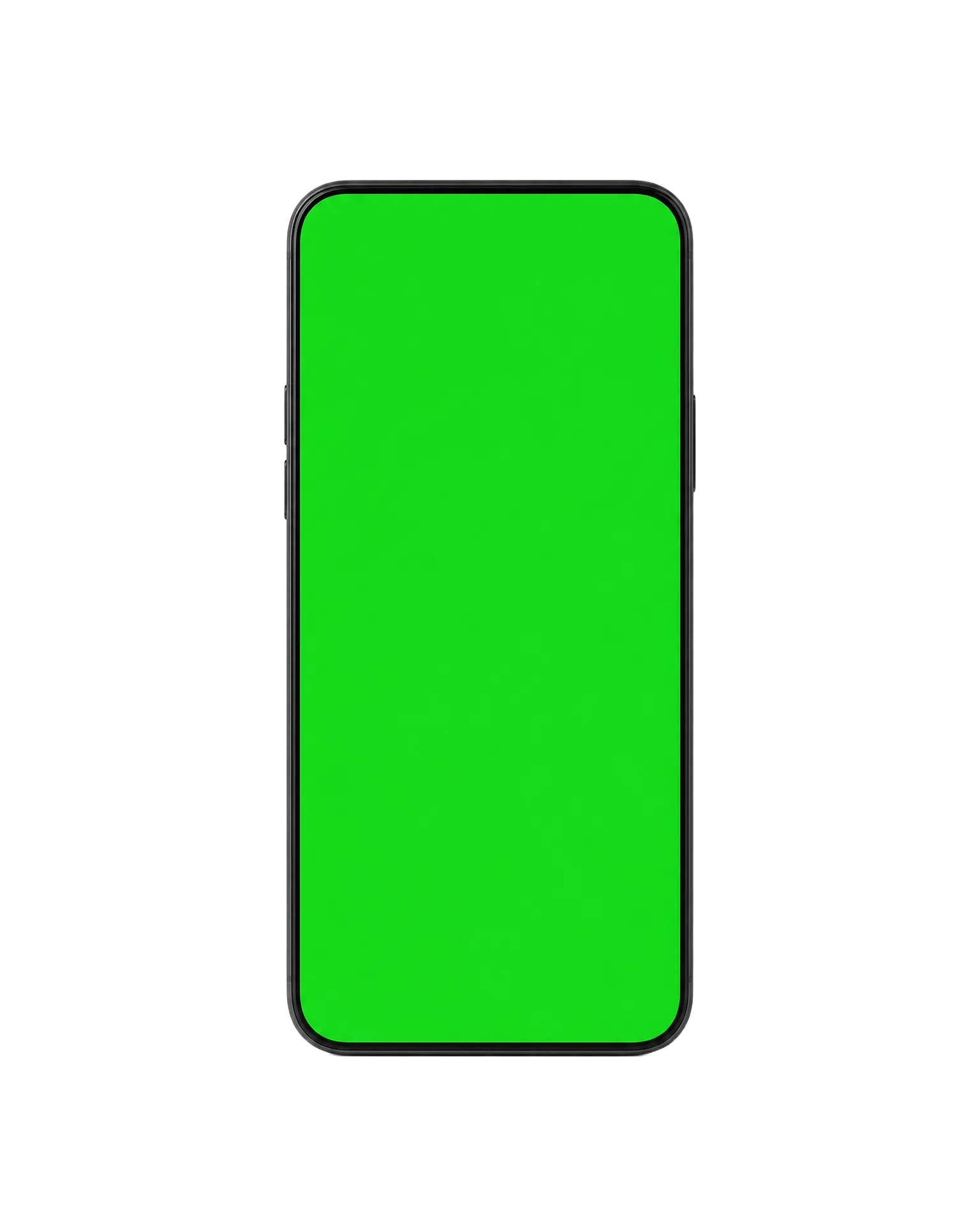

Why your hot water is lukewarm in Alabama
Once you send the form, finding a pro is off your list.
Hand it offLukewarm water usually means the heating element in your tank has failed or is failing, since most homes in Alabama run electric water heaters with two elements, an upper and a lower. When the lower element goes out, you can still get a tank's worth of warm water at the top before it turns cold fast, which reads as "lukewarm" rather than ice cold. A bad thermostat on the tank can cause the same thing, telling the elements to shut off before the water reaches the temperature you set. Sediment settled at the bottom of the tank can also block the lower element from heating properly, especially if the water heater has sat for years without being flushed. Any of these needs a licensed technician to test the elements and thermostats with a meter, since guessing which part failed usually means paying for parts you didn't need.

Cold water enters the tank and sinks to the bottom.
The lower element heats that water first.
The upper element only kicks on once the top runs short.
A failed element leaves that section of the tank cold.
Is this why your showers keep running out of hot water?
You turn the shower on and it's fine for a few minutes, then it fades to lukewarm and stays there. Dishes come out of the sink water greasy because it never got hot enough to cut through anything. You might hear a low rumbling or popping from the tank, which usually means sediment has built up around the lower element. The breaker for the water heater may trip on its own if the element is shorting out. Left alone, a failing element makes the other one work harder to compensate, and that one tends to go next. With electric rates in Alabama what they are, a tank running on one element is costing you more to deliver less hot water.
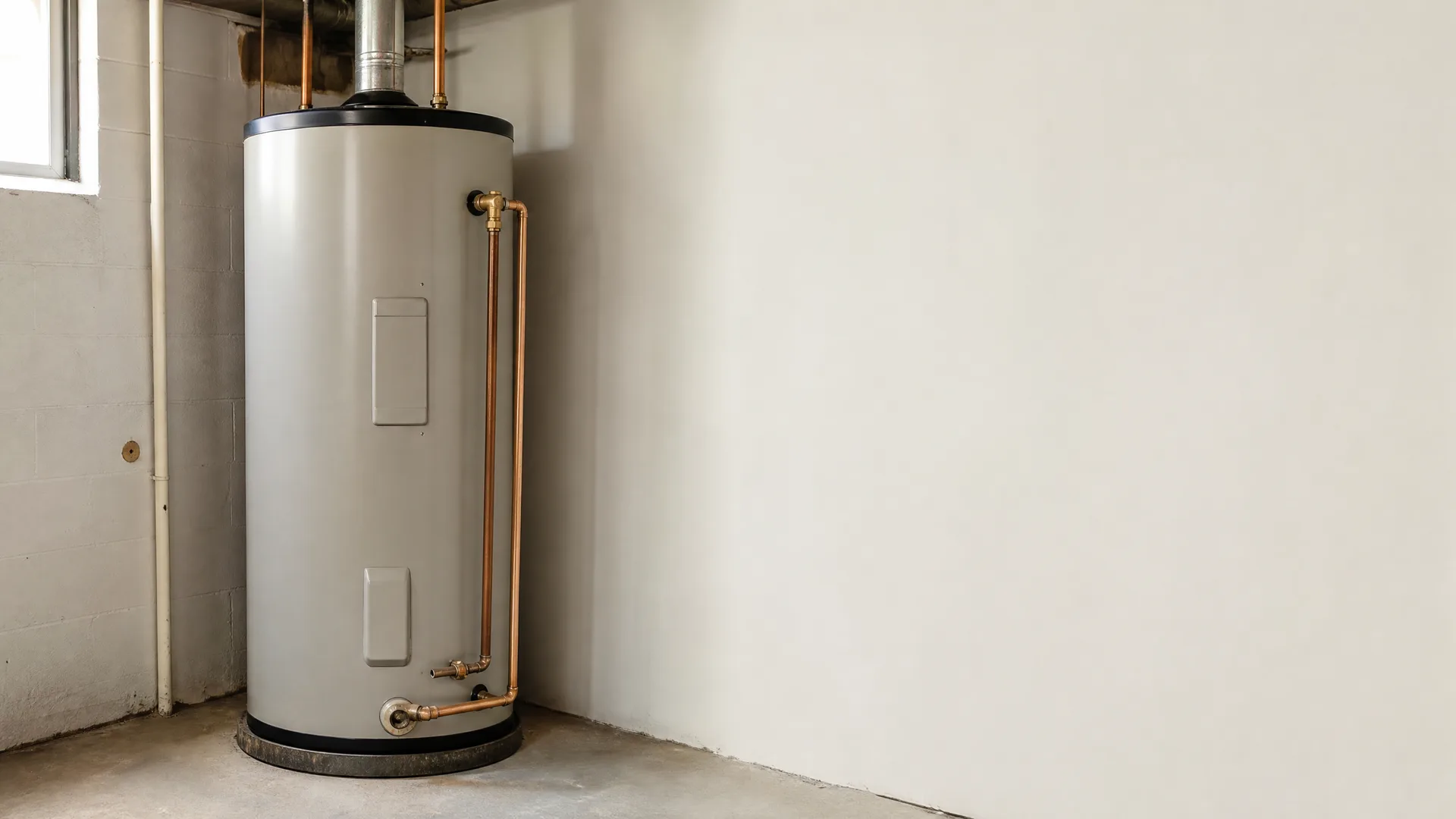
Why a thermostat can mask the problem
Each element has its own thermostat clipped to the tank wall, and some tanks have a switch that won't let both elements run together. If the upper thermostat is set wrong or stuck, it can call for heat even though the lower element is dead, and you still end up with a tank that never gets past warm no matter how long you wait between showers.
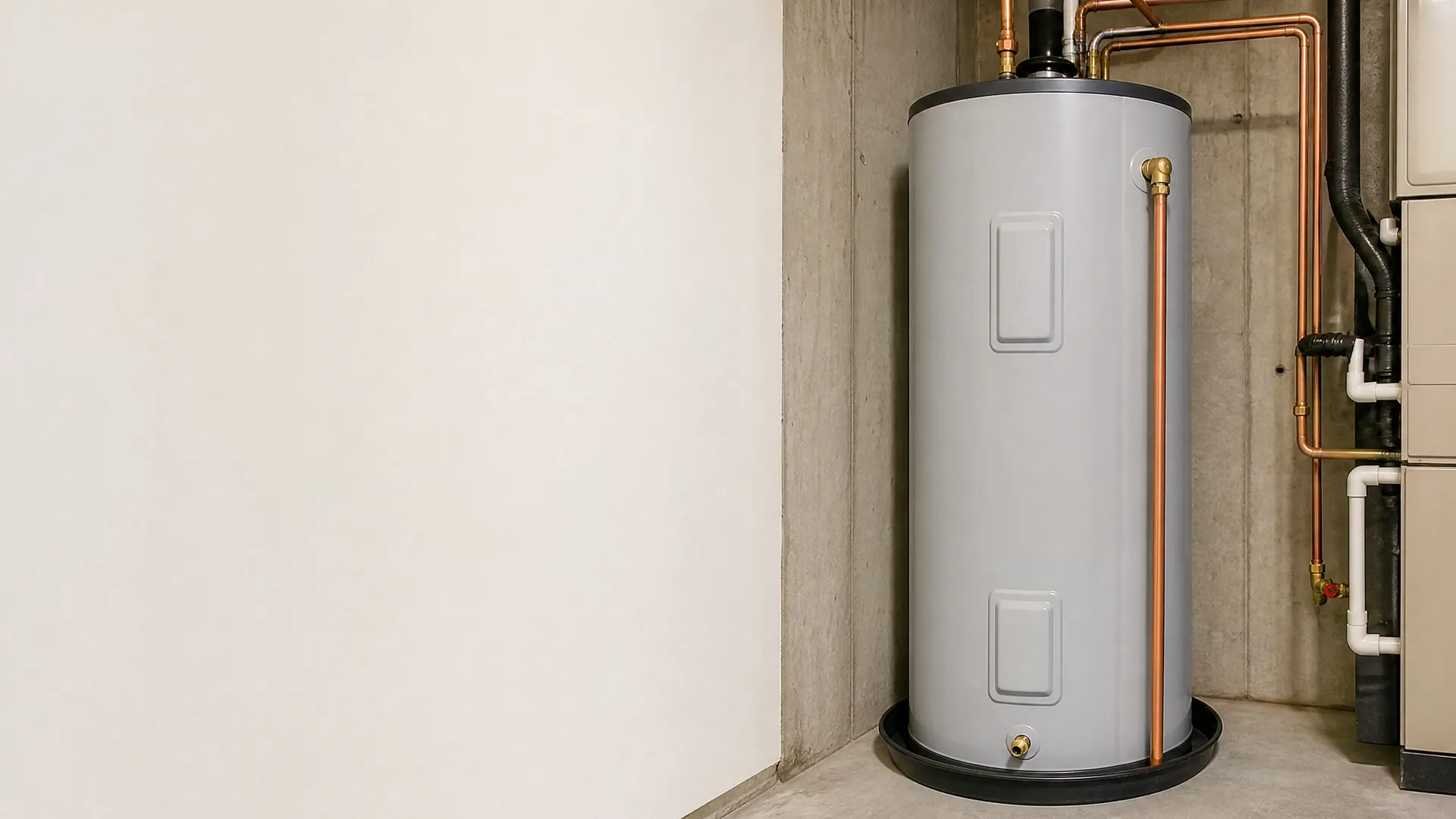
What a multimeter shows a technician
A technician checks each element with a multimeter rather than guessing from how the water feels. A working element reads a steady resistance; a failed one reads open, meaning no continuity at all. That test takes a few minutes and tells you which element is out, which is faster than replacing both when only one has actually failed.
Fix the Element or Replace the Tank
Element repair
- A failed heating element can be replaced on its own, usually without draining the whole system of parts.
- If only the lower element is gone, you still have a working tank and a working upper thermostat to build on.
- A licensed contractor can test both elements and both thermostats separately to confirm which one actually failed.
- Repair gets you back to a full tank of hot water without touching a part of the tank that's still working fine.
- If the tank itself is sound, there's no reason tied to the elements alone to replace the whole unit.
- A local contractor who works on these tanks all year knows which element tends to fail first and checks it first.
Full replacement
- If the tank is leaking or rusted through, no element repair fixes that, since the tank itself is what failed.
- A new unit means two new elements and two new thermostats, so you're not guessing which original part is still good.
- Replacement makes sense if the elements have failed more than once already on the same tank.
- With electric rates in Alabama running high, a new unit can mean elements that hold their heat setting more reliably.
- A full install takes more of your day than swapping one element, since the old tank has to come out first.
- A licensed contractor sizes the new tank to your home rather than matching whatever was there before.
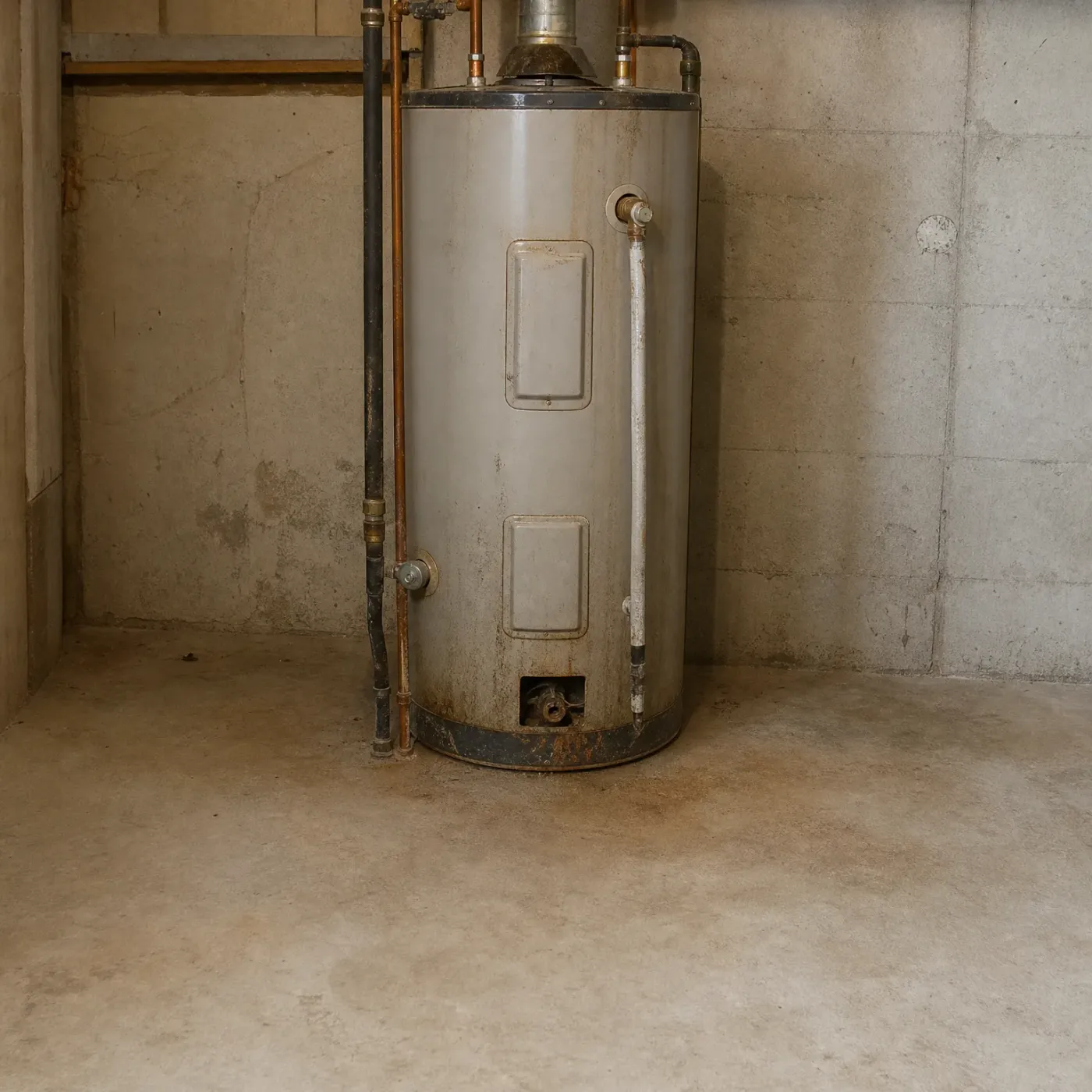
Hand off the water heater problem
Your request goes to one pro, not a list of companies.
After you send the request, you're done searching.
Sending the form costs nothing.
Can a tripped breaker make your hot water lukewarm?
You checked the breaker panel and nothing looks tripped, or maybe one is halfway between on and off and you're not sure if that counts. You want to know if the breaker is even a likely cause before you go further, since your water is coming out warm but not hot, not stone cold.
A tripped breaker usually cuts off hot water completely, not partly
Most electric water heaters run on a double-pole breaker that feeds both elements through one circuit. If that breaker trips, the whole tank stops heating, and the water coming out is cold, not lukewarm. A breaker that's tripped halfway, sometimes called a nuisance trip, can still cut power clean rather than leaving you with partial heat. Lukewarm water with the breaker on points somewhere else, usually to one element working while the other has failed. If you do find a tripped breaker and reset it, watch whether it trips again. A breaker that won't hold usually means a failing element is pulling too much current, and resetting it repeatedly without fixing the element underneath can wear the breaker out too.


67.4% of homes statewide heat with electricity
Most homes in Alabama heat water the same way they heat the house, with electricity. That means when an element fails, there's no gas backup warming the tank while you wait on a fix, just the other element trying to carry a job built for two.
ACS 2020-2024 5-year B25040
One Bad Element, One Fix
- Lukewarm water almost always traces back to one failed heating element, not the whole tank going bad.
- A failed lower element still lets the upper one heat the top of the tank, which is why you get a little warm water before it fades.
- A licensed contractor can test each element and thermostat separately to find which one quit.
- Replacing a single element is usually a smaller job than it sounds, since the tank itself is still good.
- Leaving a bad element in place puts the full load on the other one, and that one can fail next.
- Electric water heaters here have no gas backup, so a failed element means no hot water until it's fixed.
What's happening in your tank comes down to one part doing a job it wasn't built to do alone. Your water heater has two elements, an upper and a lower, and when one of them fails, the other keeps working but can't cover the whole tank. That's the lukewarm water. Not a dying unit, not a tank that needs replacing, just one element that quit while its partner carries on.
A licensed contractor can check both elements and both thermostats on a single visit and tell you exactly which one failed. That matters because the two parts don't fail for the same reason, and testing them separately is the only way to know whether you're looking at a short swap or something more. Most of the time, it's the one part. The tank holds water fine, the other element still heats, and the fix is sized to match that.
Waiting on it costs you more than cold showers. The element still running is now doing the work of two, and that kind of strain tends to shorten its life too. In Alabama, where electric water heaters don't have a gas flame to fall back on, a second failure means no hot water at all until someone gets to it. Getting the first one handled while it's still a one-part job is what keeps this from turning into a bigger one.




Water Heater Repair
Send one request and you're done looking
The pro who reaches out is licensed in Alabama.