Leave it alone
The smell doesn't go away on its own. Bacteria keep feeding on the rod, the water stays smelly to drink or shower in, and the rust underneath keeps working on the tank.
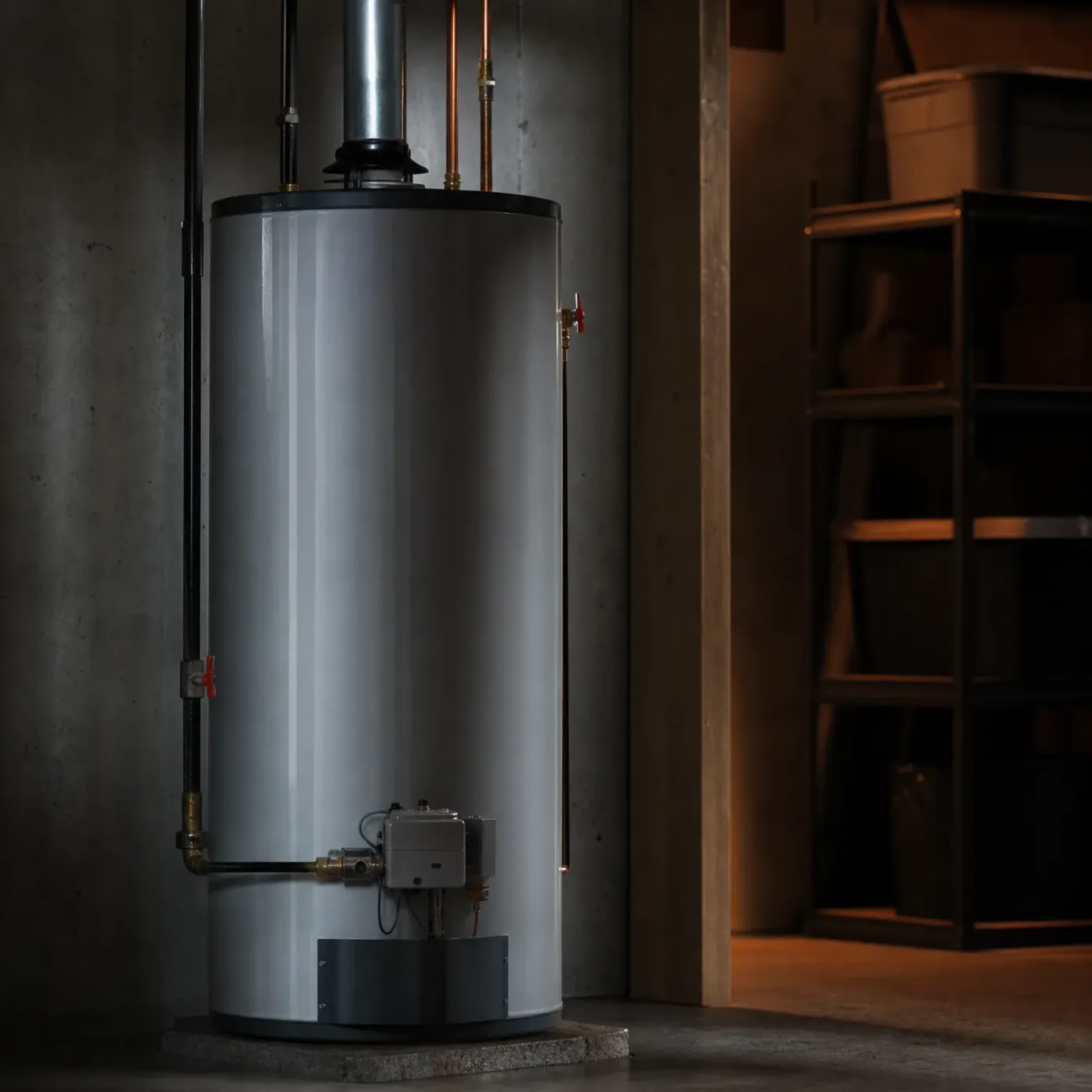
Get the right pro for your water heater
That rotten egg smell means sulfur bacteria have gotten into your water heater tank, usually the anode rod reacting with your water. It's common, and it's fixable. This page gets into why it happens and what to do about it, then connects you with a local contractor who works on water heaters like yours and can track down the cause.
Get a local proThat rotten egg smell comes from hydrogen sulfide gas forming inside your tank. Your water heater has a magnesium anode rod that protects the tank from rust, and bacteria that feed on sulfur can react with that rod and produce the gas. It happens more with well water, but plenty of homes on city water get it too, especially after the water heater sits unused for a few days. The smell is almost never dangerous and almost never means your water is unsafe to use. It usually means the bacteria have built up enough inside the tank that the rod can't keep up. Some water heaters handle it on their own once the water runs for a while. If the smell keeps coming back, that's the tank telling you it needs attention, either flushing it out or replacing the anode rod, before it gets worse.
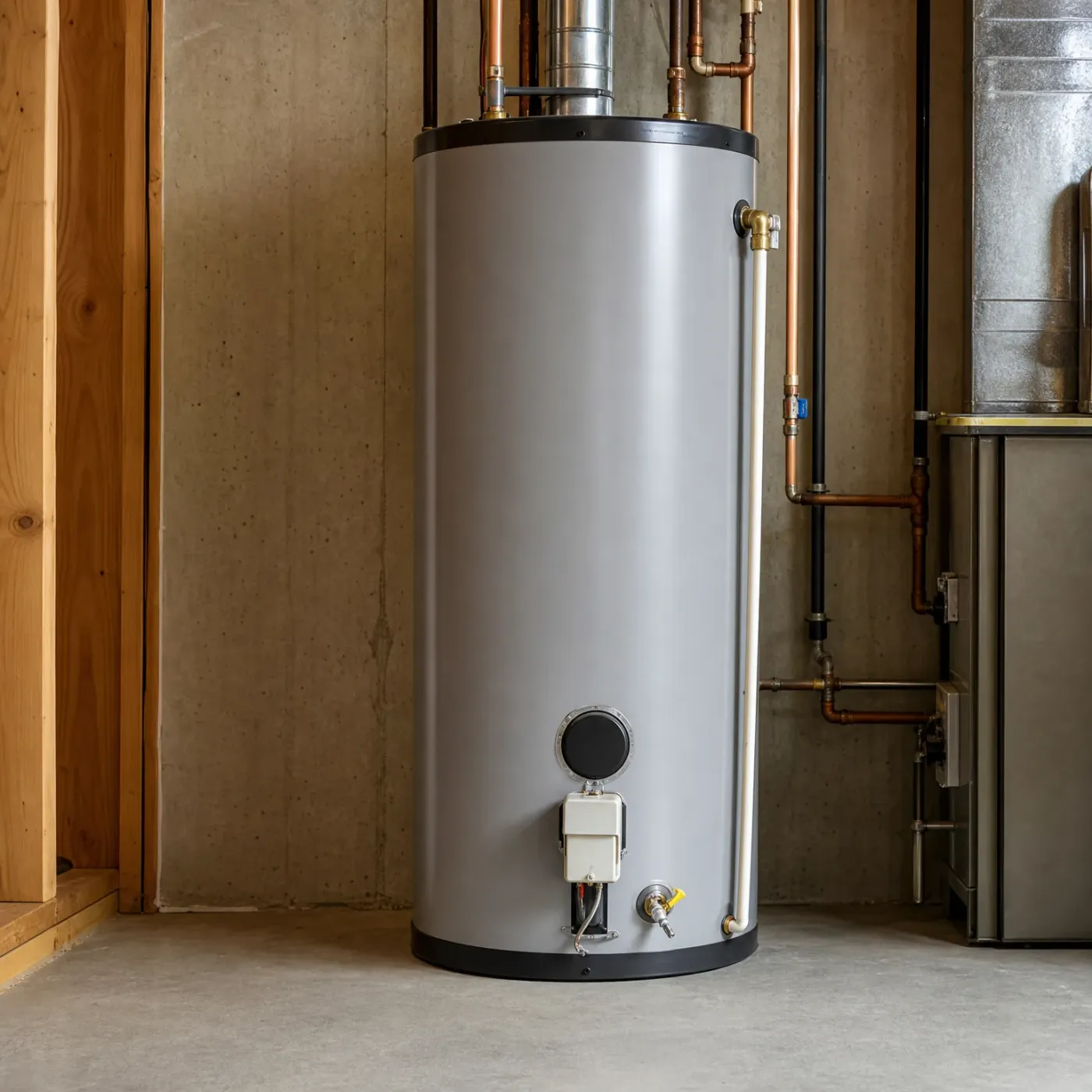
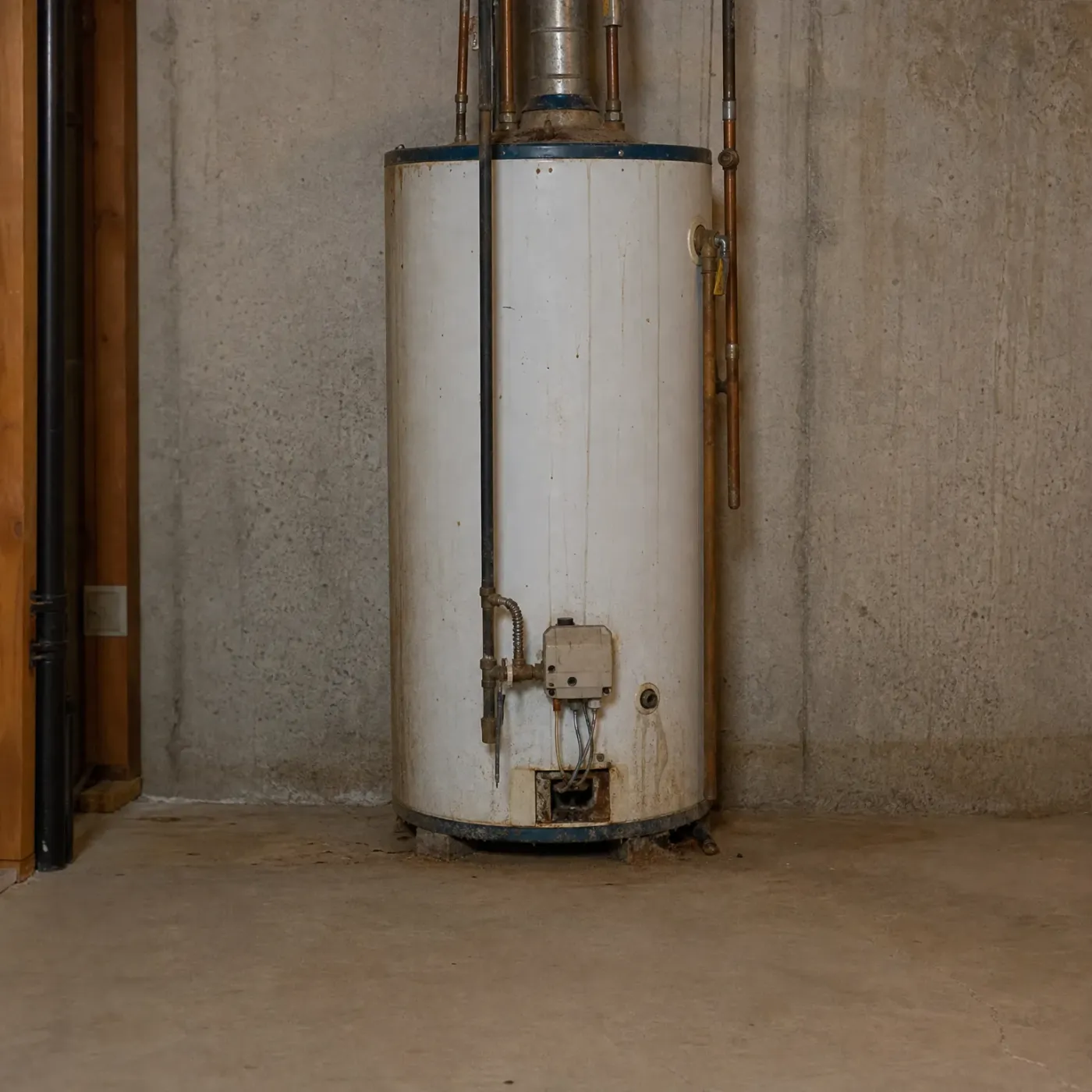
Inside your tank, a metal rod hangs down from the top. It is there to corrode instead of your tank, since steel left alone would rust through in a few years. Magnesium does this job well, which is also why it reacts fastest with the sulfur bacteria that live in water and produce hydrogen sulfide gas as a byproduct. Those bacteria are not a health risk. They just happen to make a tank smell like rotten eggs when the conditions suit them. Most homes in Alabama run on electric water heaters, and that matters here because a gas burner vents some odor out with the flame every time it fires. Electric units never get that break. Whatever forms in the tank stays in the tank until the water runs. A tank that sits idle, say over a week away, gives the bacteria extra time with nothing to disturb them, so the water that greets you afterward is often worse than what you left. A contractor dealing with this has a couple of real options. Swapping the magnesium rod for one made of aluminum or an aluminum-zinc blend slows the reaction that feeds the smell. Running the tank hot, above 140 degrees, for a few hours will kill off the bacteria too, but that's a step worth leaving to someone who can manage the scald risk that comes with water that hot.




A water heater can run with that smell for a long time before anyone deals with it, and most people don't, because the fix means opening the tank. That's not a weekend job for most homeowners, and getting the anode rod out of a tank that's been sealed up for years takes the right tools and some strength most people don't have on hand. A local contractor who works on water heaters all year has pulled plenty of stuck rods and knows whether your tank needs a new rod, a different metal, or a shock treatment instead. With power rates what they are in Alabama, a water heater that's working harder than it needs to because of sediment or a failing rod is worth sorting out now rather than later. Send your request through and it goes to one licensed contractor near you, not a handful of companies competing for the job, so the person who calls you back already knows what they're dealing with.
Well water with sulfur in it already carries dissolved sulfate, and that gives the bacteria in your tank more to work with than city water usually does.
That's why the smell tends to come back faster in homes on well water, even after the rod is replaced, and why a second visit sometimes catches what the first one missed.
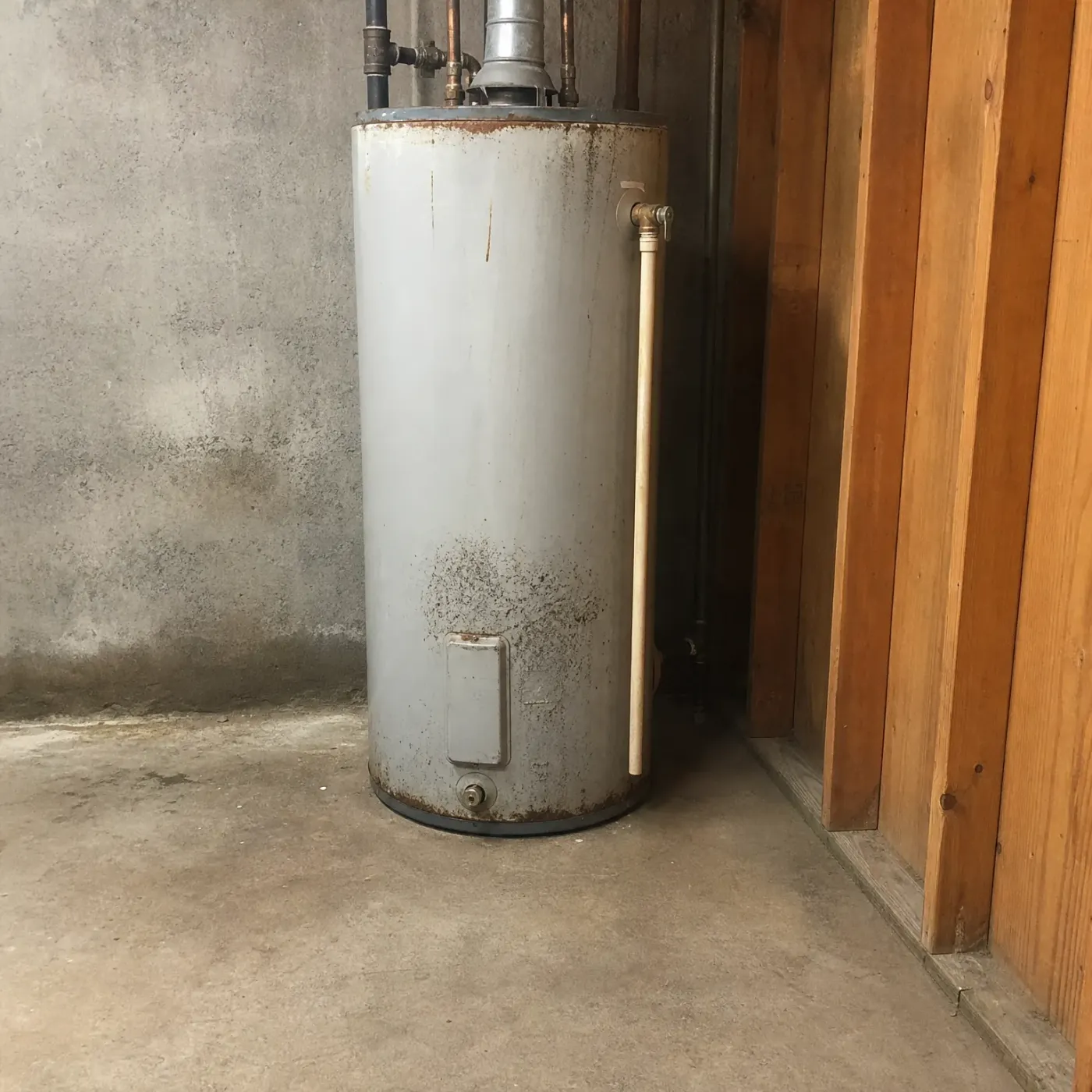
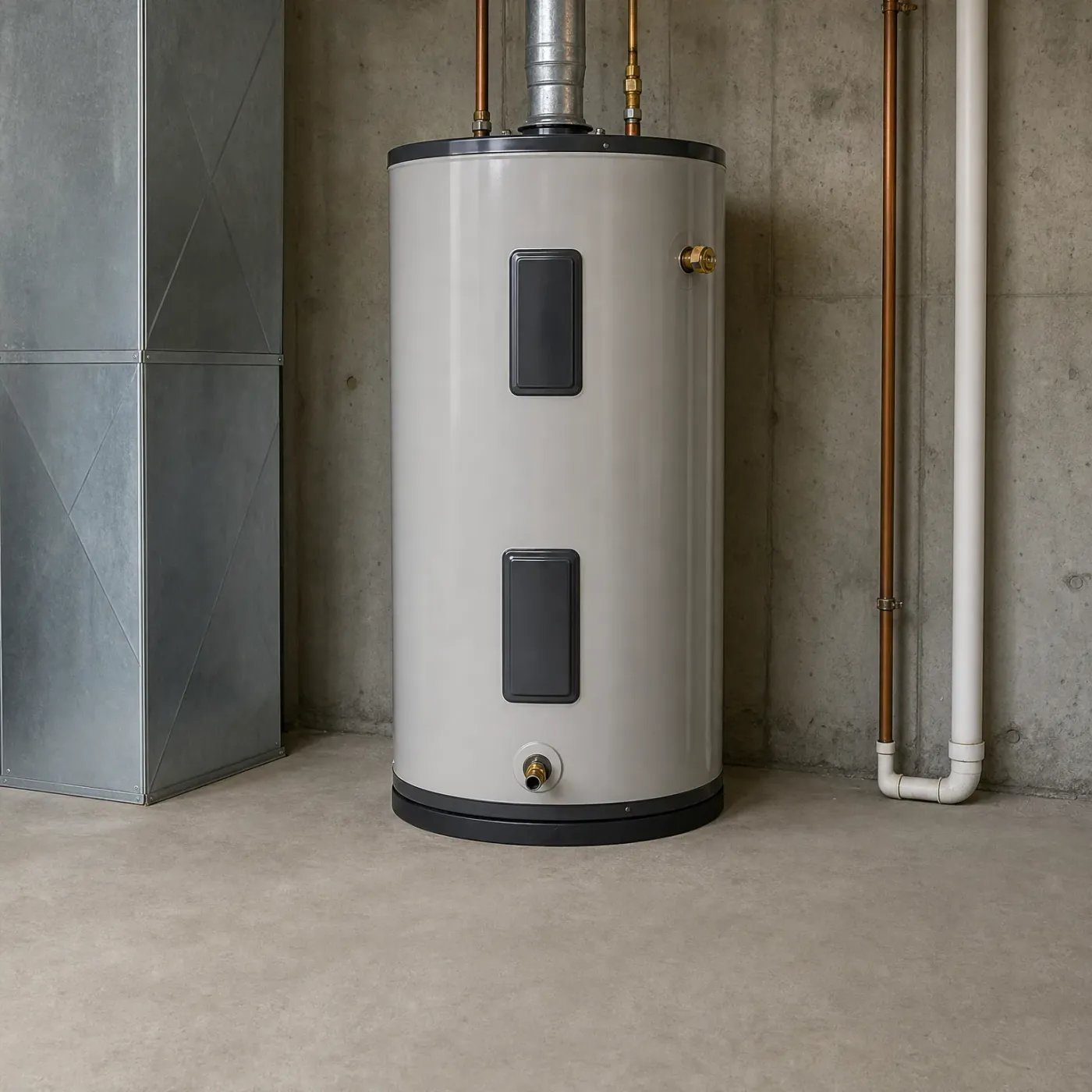
The smell doesn't go away on its own. Bacteria keep feeding on the rod, the water stays smelly to drink or shower in, and the rust underneath keeps working on the tank.
A local contractor who works on tanks like yours all year can tell you if it's the rod, the water, or something else, and settle it before it costs you the tank.


Sulfate in the water turns to hydrogen sulfide gas inside the tank
Bacteria feed on the magnesium anode rod and the sulfate
The gas builds up in the hot water sitting in the tank
Water pulled from the tap carries that gas straight to your faucet
Most homes in Alabama heat water with electricity, same as yours probably does. An electric water heater still hangs a magnesium anode rod in the tank, and that rod is what reacts with sulfur bacteria to make the smell. Switching to gas wouldn't change that, so the fix is still the rod or the tank, not the power source.
ACS 2020-2024 5-year B25040
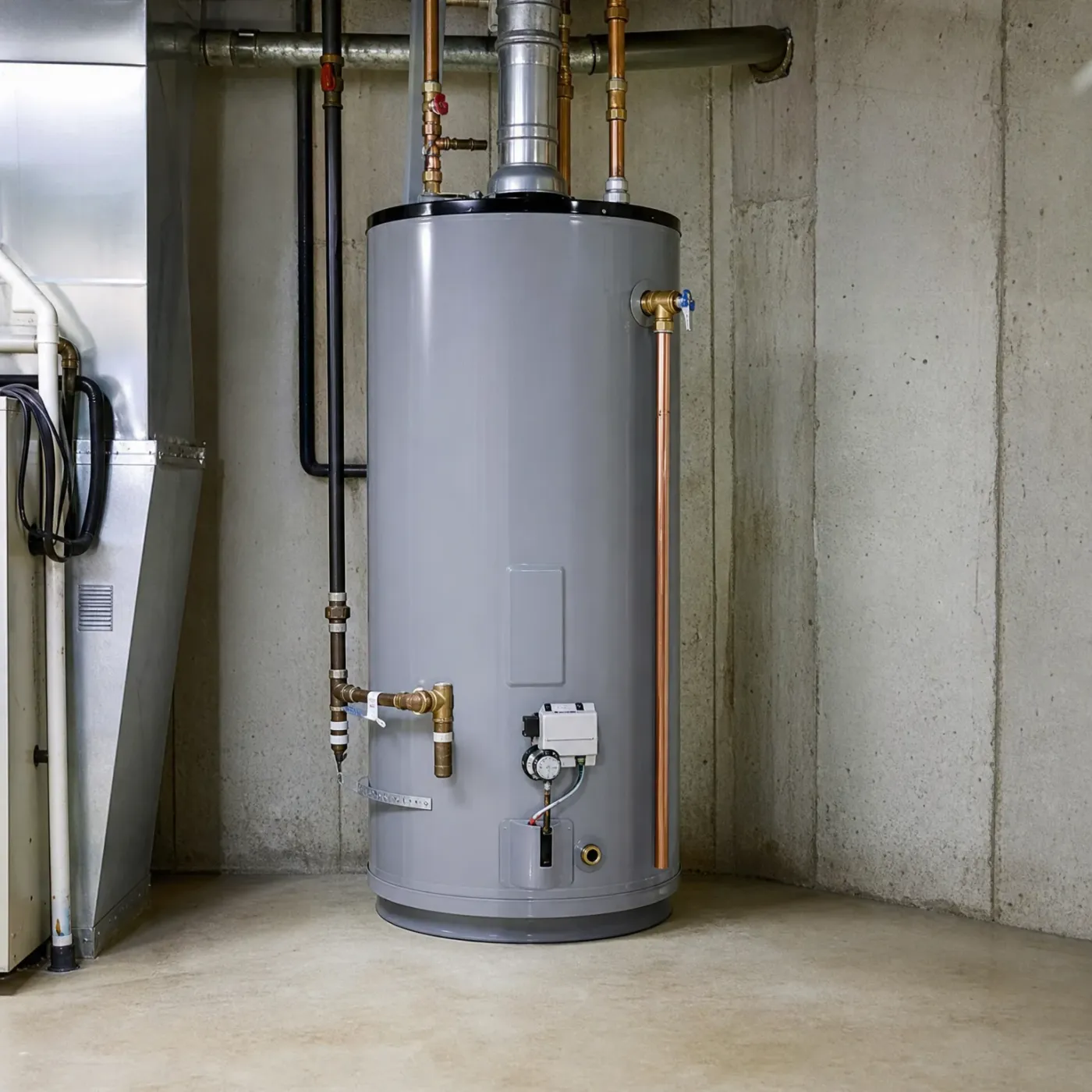
A tank in good shape sits connected to its fittings and flue with nothing to notice. Water runs hot and clear, no smell when you turn on the tap. The anode rod inside is doing its job quietly, and the tank around it stays sound.
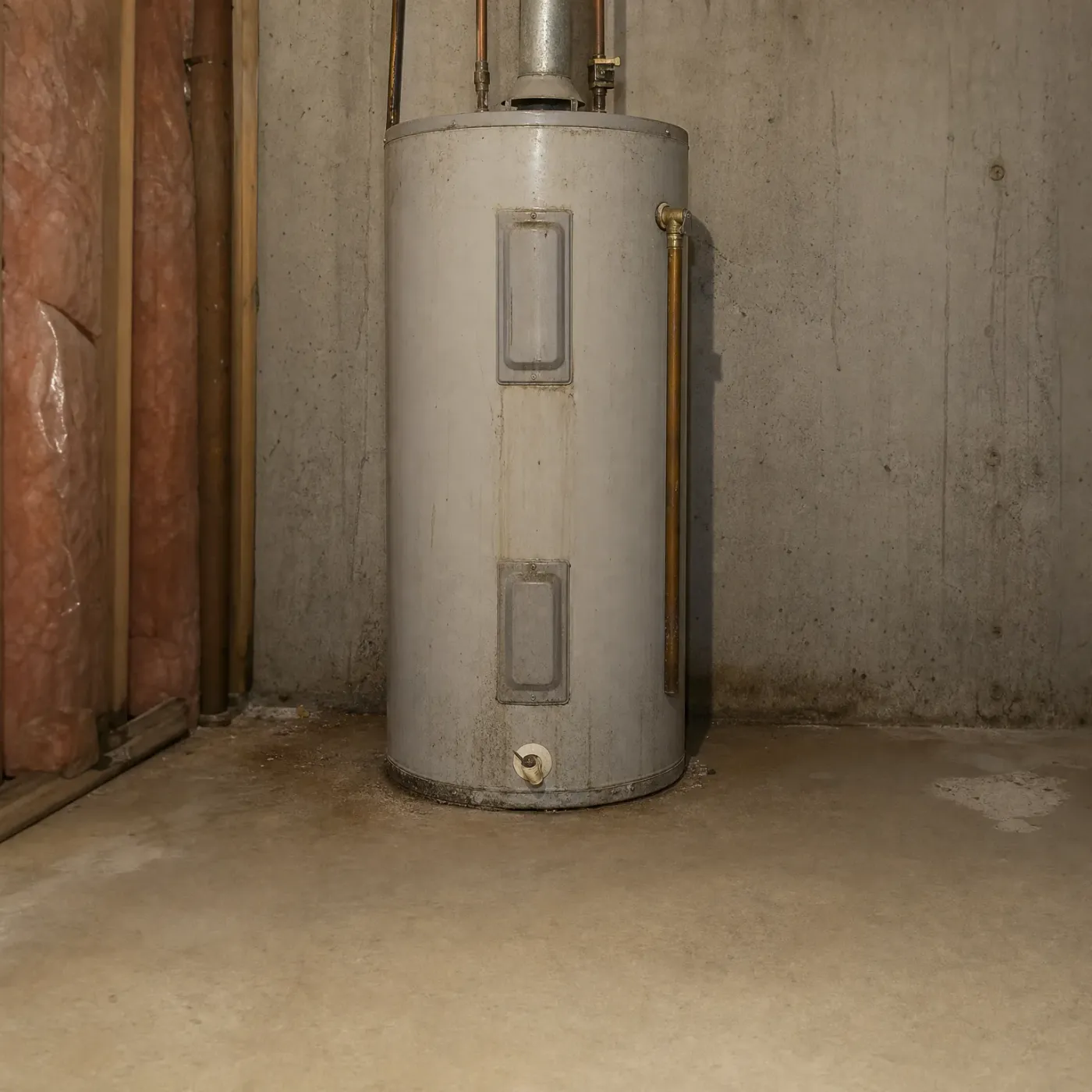
Rust staining down the side of an older tank is the rod losing ground. Once the smell shows up and nobody deals with it, the panels and drain valve stay the same but the steel behind them is wearing thin. That's the tank a contractor finds when someone waited too long.

Rotten egg smell in your hot water means bacteria are feeding on the anode rod inside your tank. Swap the rod, or shock the tank, and the smell goes away. Leave it alone and the rust underneath keeps working while the water stays bad to use.
A local contractor who works on tanks like yours through Alabama summers knows which rod to put in and whether a shock treatment will hold given your water. You'll be matched with one contractor, not a handful calling you at once, so the person who reaches out already knows what you're dealing with before they pick up the phone.


The right pro for this job