Why your water heater is slow to recover in Alabama

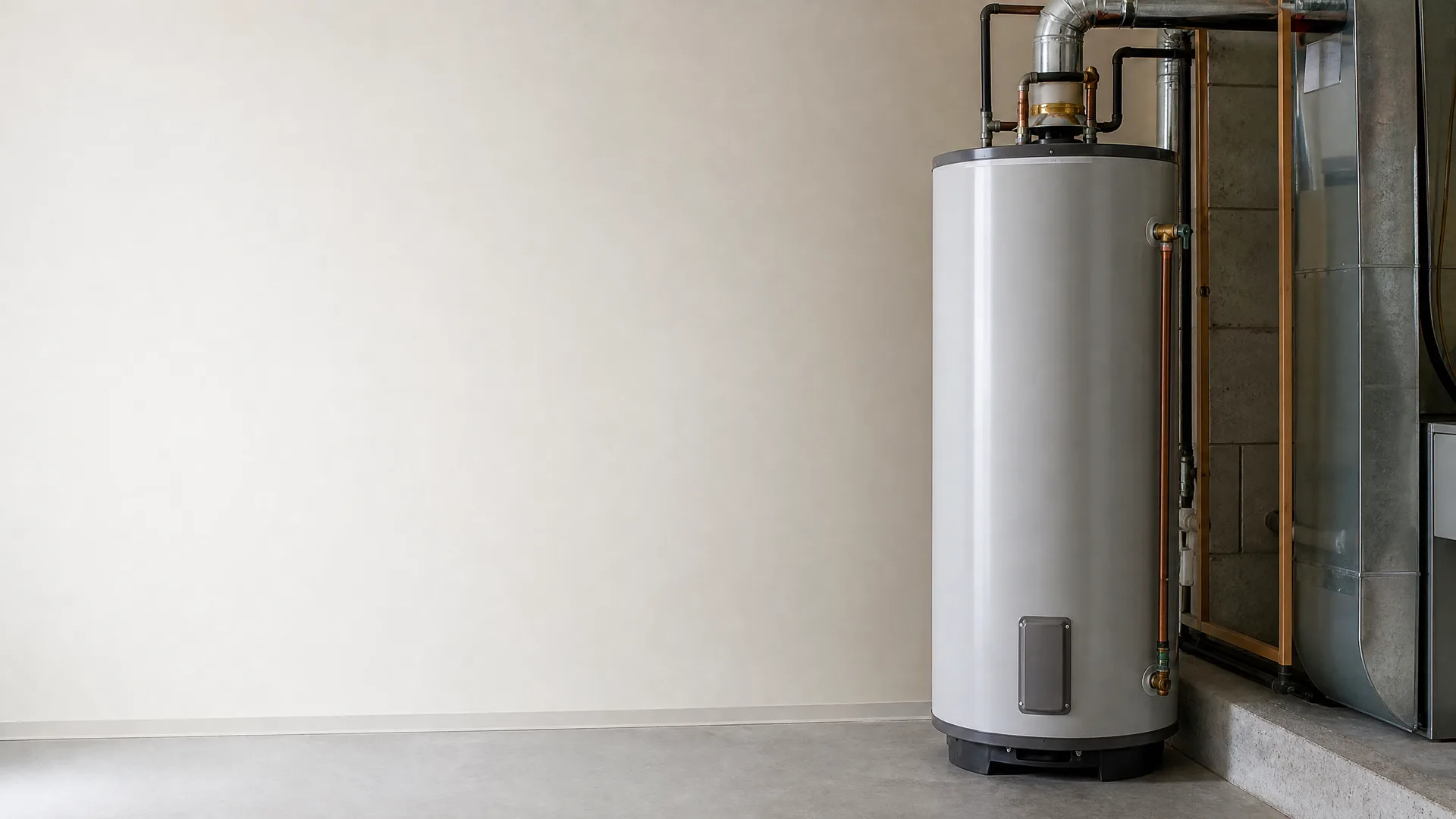
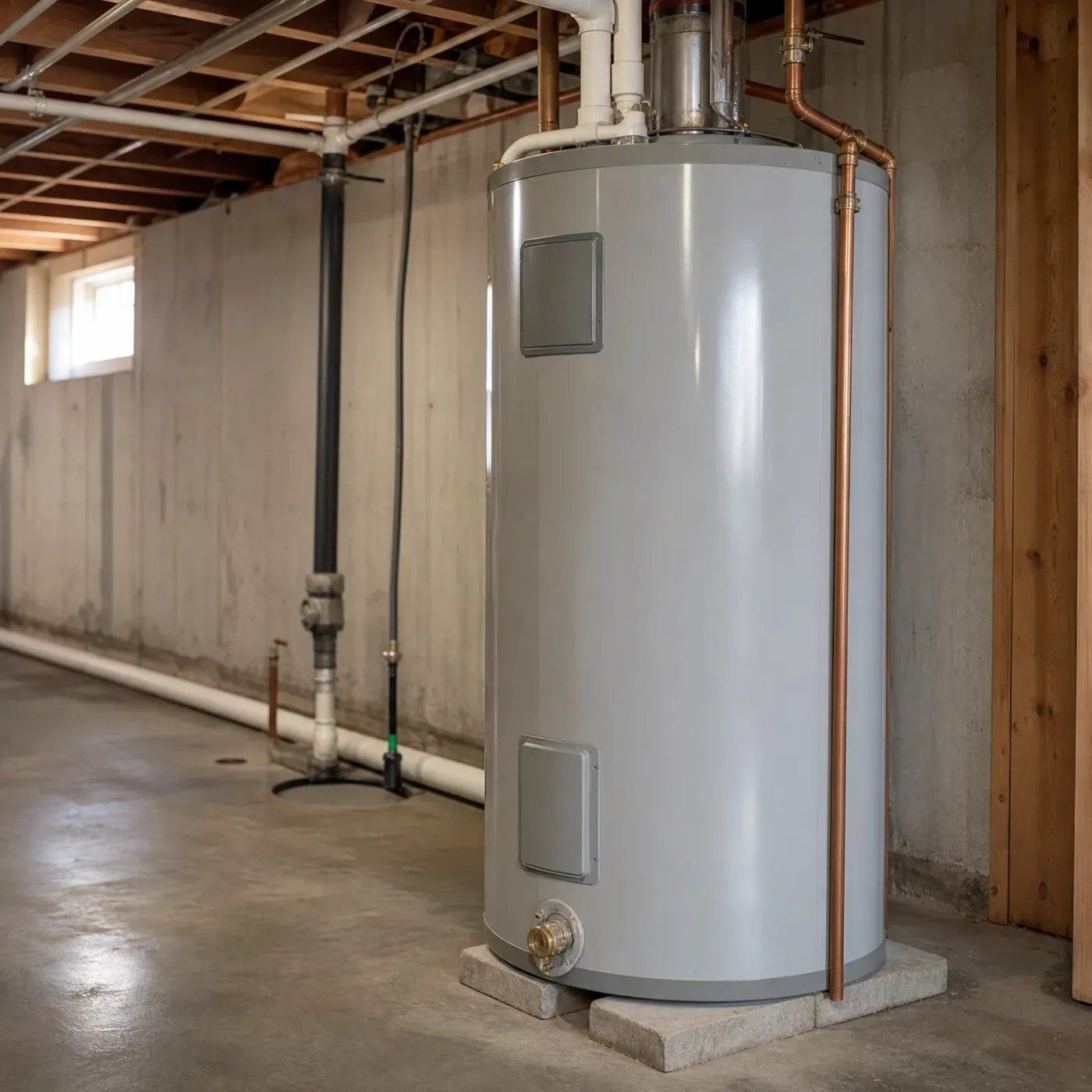
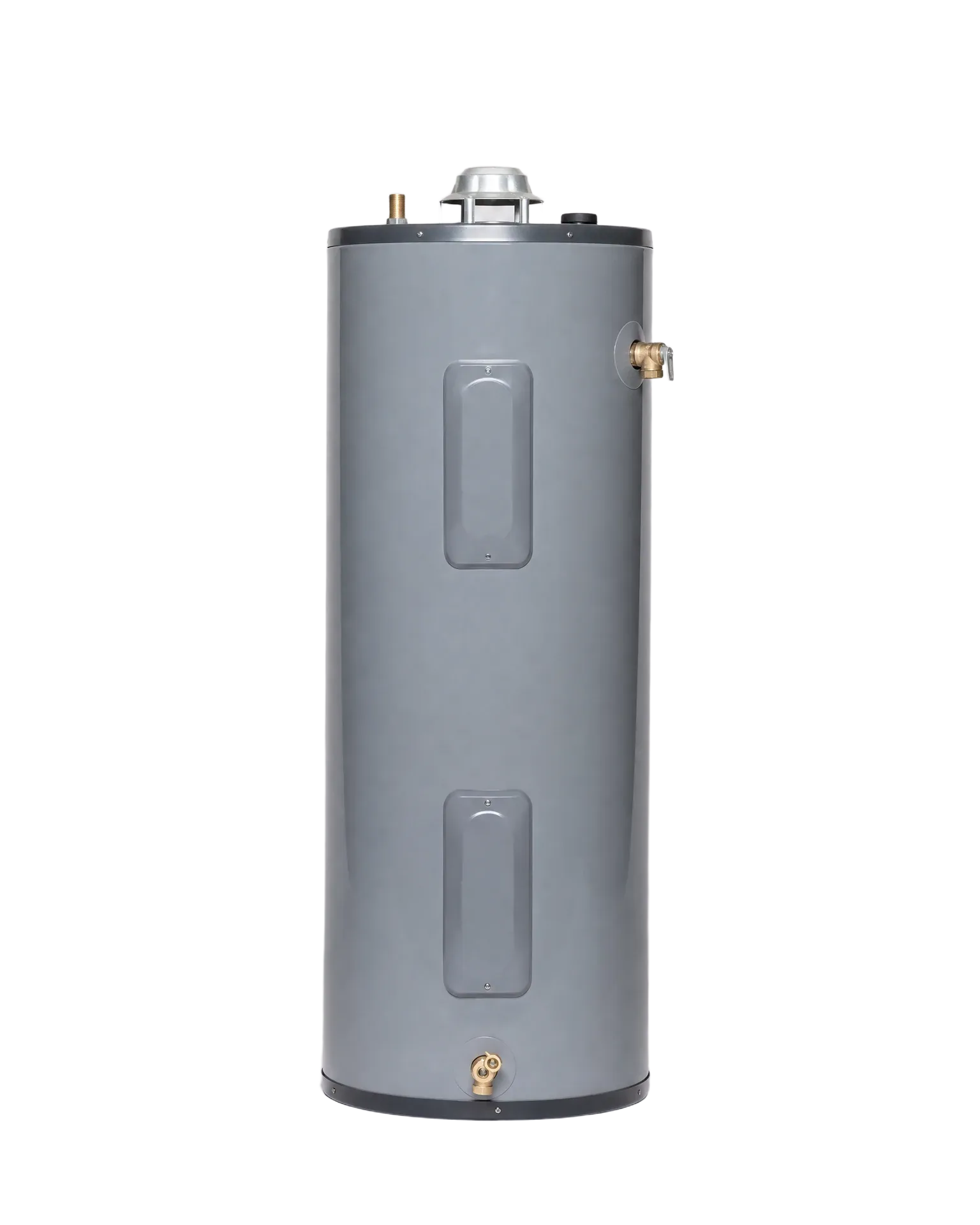
A gray cylindrical water heater with two access panels, a brass side valve, a bottom drain valve, and a metal vent cap on top, photographed against a plain light background.
I'm done searching

Why is my water heater taking so long to heat up again?

You run the hot water out faster than usual, maybe a couple of showers back to back or a sink full of dishes, and then you wait. And wait. What used to take an hour now feels like most of the afternoon. You're not imagining it, and it's worth figuring out before you're stuck with cold water on a weekday morning.

A weak heating element or a thick layer of sediment is slowing recovery

Most homes in Alabama heat water with electricity, and an electric water heater warms the tank with one or two elements inside it. When an element starts to fail, or when sediment builds up on the bottom of the tank and sits between the lower element and the water, the heater has to work harder and longer to bring a full tank back up to temperature. You'll notice it first as a slower recovery, before the water ever runs out early. With power rates here on the higher side, that slower recovery also means the heater draws current for longer stretches each time it reheats, which shows up on your bill before the real cause ever gets fixed.

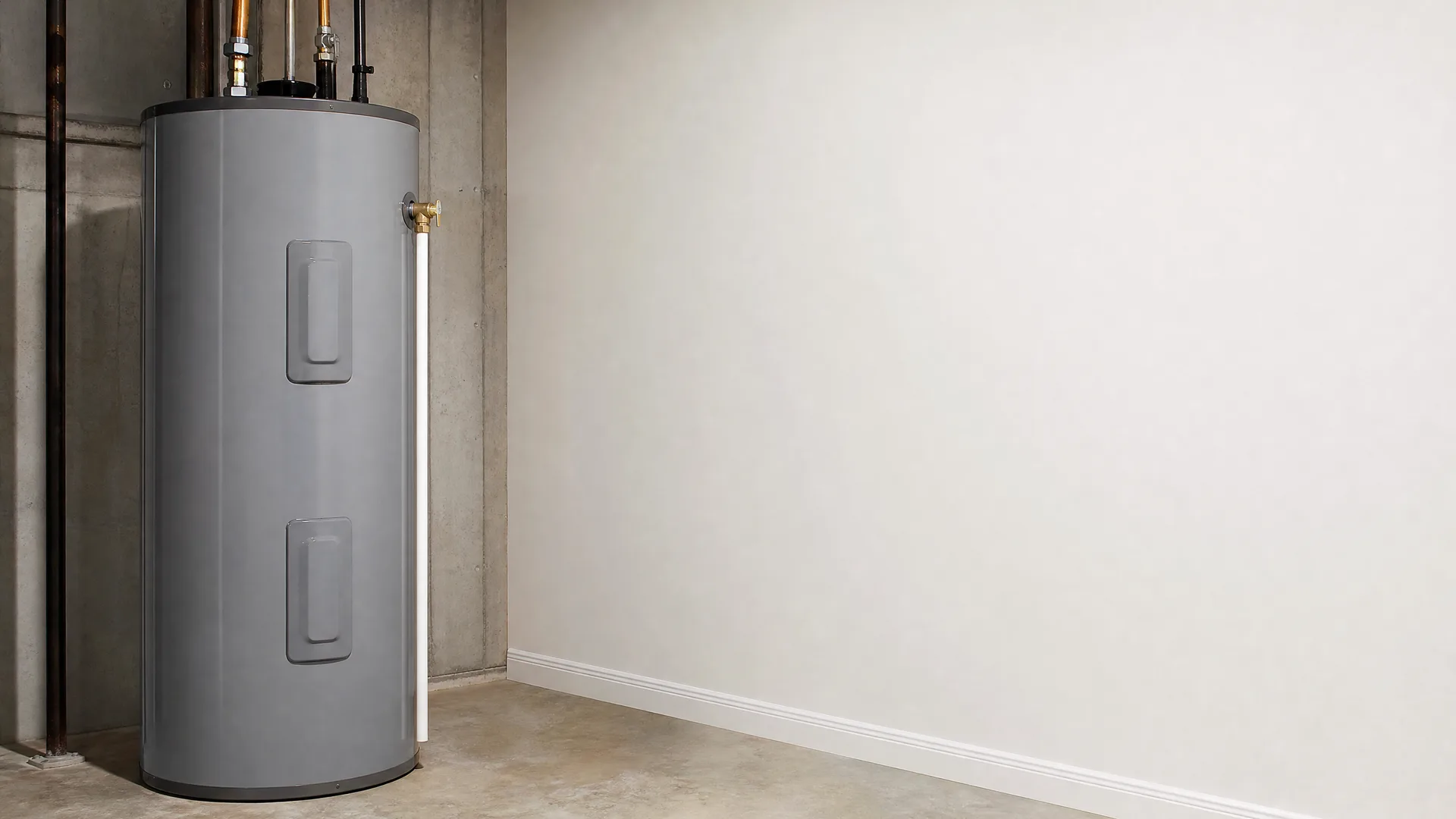
A gray cylindrical electric water heater with two access panels stands in a corner of a room with a concrete floor, connected to overhead pipes and a white drain pipe, beside a plain light-colored wall.

Electric tanks heat slower by design

Most Alabama homes run electric water heaters, and electric tanks recover slower than gas ones to begin with. Gas has a burner putting out heat fast underneath the tank. Electric relies on one or two heating elements inside the tank itself, and if the lower element is weak or caked with scale, recovery stretches out even more. That's often the first thing a repair technician checks when a homeowner calls about slow recovery.

A tall cylindrical water heater with copper and metal pipes at its top stands against a plain beige interior wall on a concrete floor, beside ductwork and a raised concrete step.

A failing element costs you twice

A water heater element that's going bad doesn't always quit outright. It can keep heating, just slower, drawing power the whole time without delivering the hot water you're paying for. With electricity rates in Alabama, a weak element running longer each cycle shows up on the bill before it ever fails completely. Catching it early, before it stops working altogether, is usually a smaller repair than waiting for the tank to quit on you.

Is this just a slow tank, or is something wrong

You notice it most when the household needs hot water back fast, right after the kids shower or when you're running a load of dishes before guests show up. If the wait keeps stretching, longer than it used to, that's usually one heating element doing a job meant for two. The other has likely failed or is coated in sediment and barely working. Left alone, the working element takes on the full load every time the tank runs, and it will wear out faster under that strain. You'll notice it on the power bill too, since a struggling element draws power for longer to do the same job. A tank stuck running like this is one more failed part away from no hot water at all.

A bathroom with a gray towel hanging on a bar against a taupe wall, a glass-enclosed shower with marble-look tile, showerhead and handheld sprayer, a window showing green trees, and a stone countertop with a sink at right.

You're up before work, and the shower's running but there's no steam yet. You back out of it, wrap the towel tighter, and wait another minute hoping it catches up. It doesn't. Downstairs someone already ran the dishwasher before bed, and that was enough to leave this upstairs bathroom cold. You check your phone. Four minutes before you need to leave for the day, and the water still isn't past lukewarm. You turn it off, dry off with what you've got, and figure you'll shower tonight instead. Outside, the Alabama morning is already warm, which makes the cold water feel worse somehow, not better.
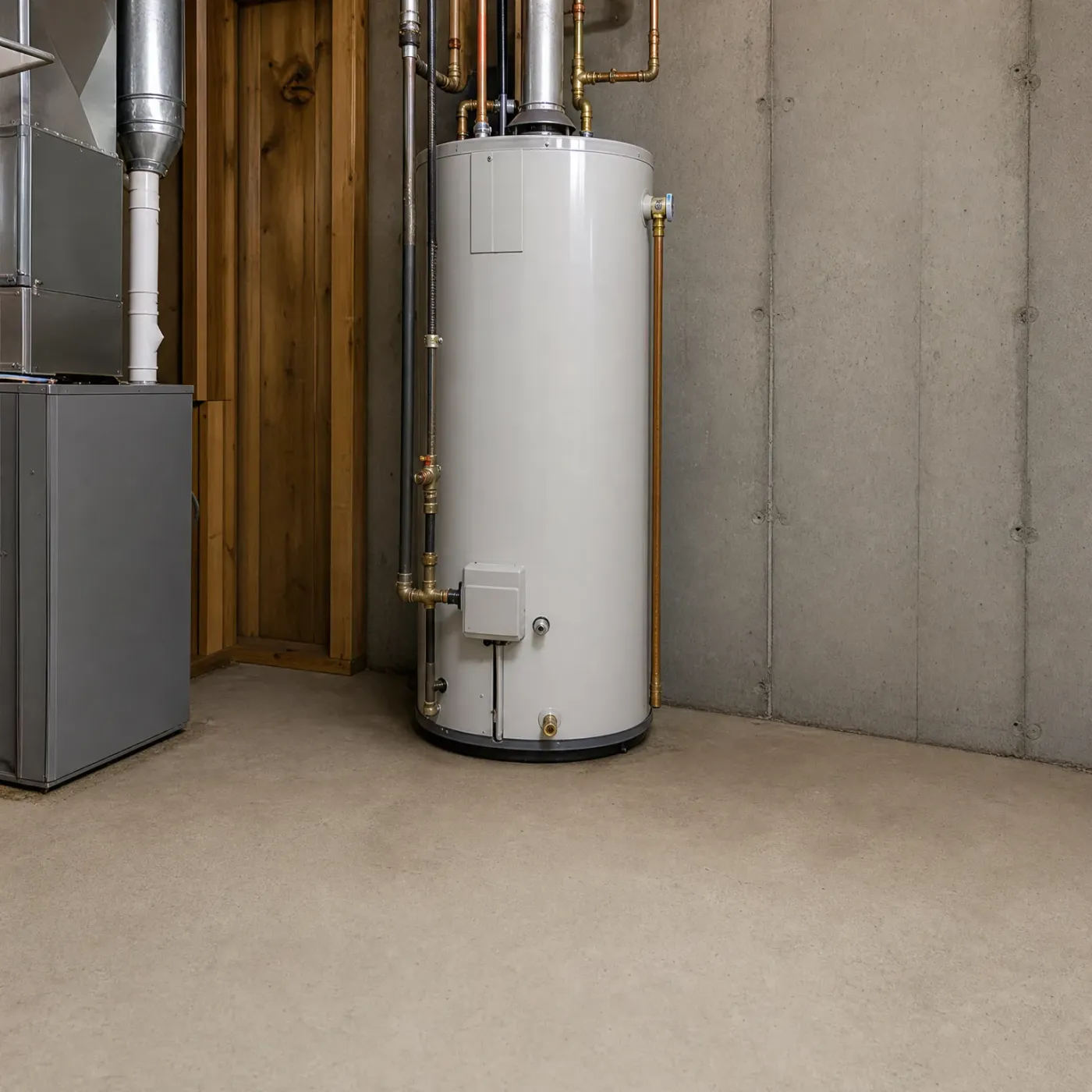
A white cylindrical gas water heater with copper and steel pipes stands against a concrete basement wall beside a gray furnace and wood-paneled wall.
A gas water heater recovers fast because the burner heats the tank straight away.
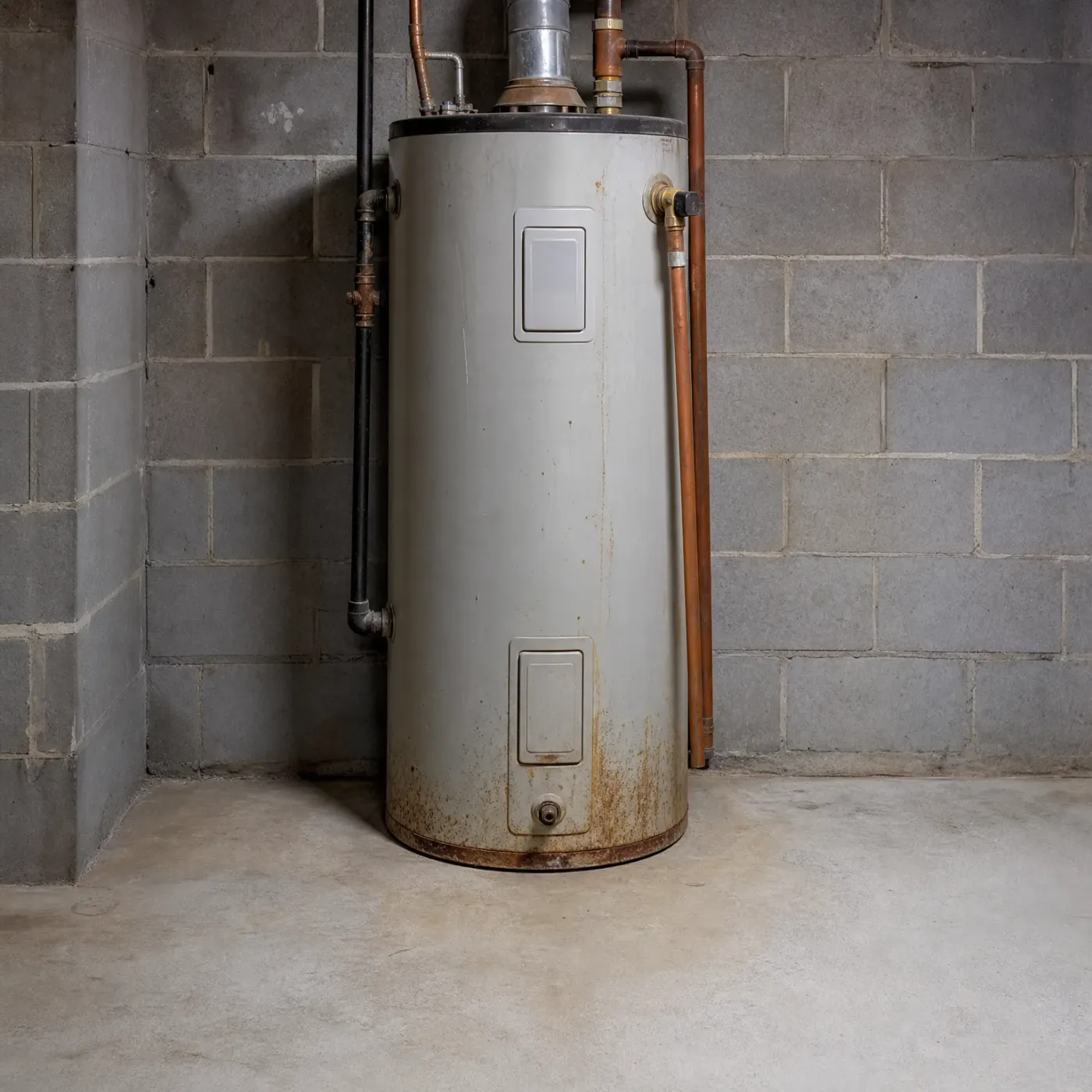
A rust-streaked cylindrical water heater with copper and black metal pipes stands in a concrete-block basement corner on a bare concrete floor.
Rust spreading at the base or along the seams means the tank is failing, not just slow.
A smiling man in a gray long-sleeved shirt stands in a kitchen looking to the side, with open shelves of dishes, a white mug on the counter, a potted plant, and a view through a doorway into a living room.
A smiling bearded man in a green sweater sits at a white marble kitchen island with a mug, potted plant and bowl of fruit, in a bright white interior with open shelving and an arched doorway.
A smiling man with dark curly hair and a beard, wearing a dark green knit sweater, stands at a white marble kitchen counter with a dark blue mug, with open shelving, pendant lights and a houseplant behind him.
A smiling man in a green ribbed sweater stands behind a wooden table holding a ceramic mug of coffee in a kitchen with white subway tile, shelves of potted plants, and a bowl of fruit.

67.4% of homes statewide heat with electricity

Most houses in Alabama run on electric heat, and that's almost always the water heater too. An electric tank has less recovery power built in from the start, so when it starts falling behind, there's no gas burner underneath to make up the gap. A repair that restores the elements or thermostat matters more here than it would in a house with gas.

ACS 2020-2024 5-year B25040

A smiling man with dark curly hair in a navy t-shirt sits on a gray couch indoors, with a large-leafed plant and a window in the background.
A bearded man in a plaid flannel shirt stands in a kitchen looking out a window toward snow-covered shrubs, with a steaming mug on the windowsill and potted plants on a shelf behind him.
A large white cylindrical water heater on concrete blocks in a basement with poured concrete walls, exposed joists, copper and PVC piping, and a small window.

Done looking for a water heater pro

Only one pro gets your request, so you hear from one company.

Get the water heater repair search off your mind today.

Hand it over

Asking costs nothing, and the choice to hire stays yours.

Wait It Out or Call Now

Leave it alone

  • The wait keeps stretching, so showers get scheduled around the tank instead of the other way around.
  • An element that's partly failed still heats, just slower, and it keeps drawing power without doing the job right.
  • Electric rates in Alabama aren't cheap, and a struggling element runs longer to make less hot water.
  • Sediment at the bottom of the tank keeps building, and a slow recovery now can turn into a tank that won't hold much heat at all.
  • Whatever is causing the slowdown doesn't fix itself, so next summer you're dealing with the same thing, worse.

Get it looked at

  • A licensed, local contractor who works on tanks like yours all year knows which part usually causes this kind of slowdown.
  • A failing lower element, loose wiring, or sediment buildup can often be fixed without replacing the tank.
  • Catching it now, while it's still just slow and not dead, usually means less work than waiting for a full breakdown.
  • One contractor takes the job, so you're not fielding calls from a handful of companies trying to win the work.
  • Once you send the request, finding someone to look at it stops being something you have to chase down yourself.
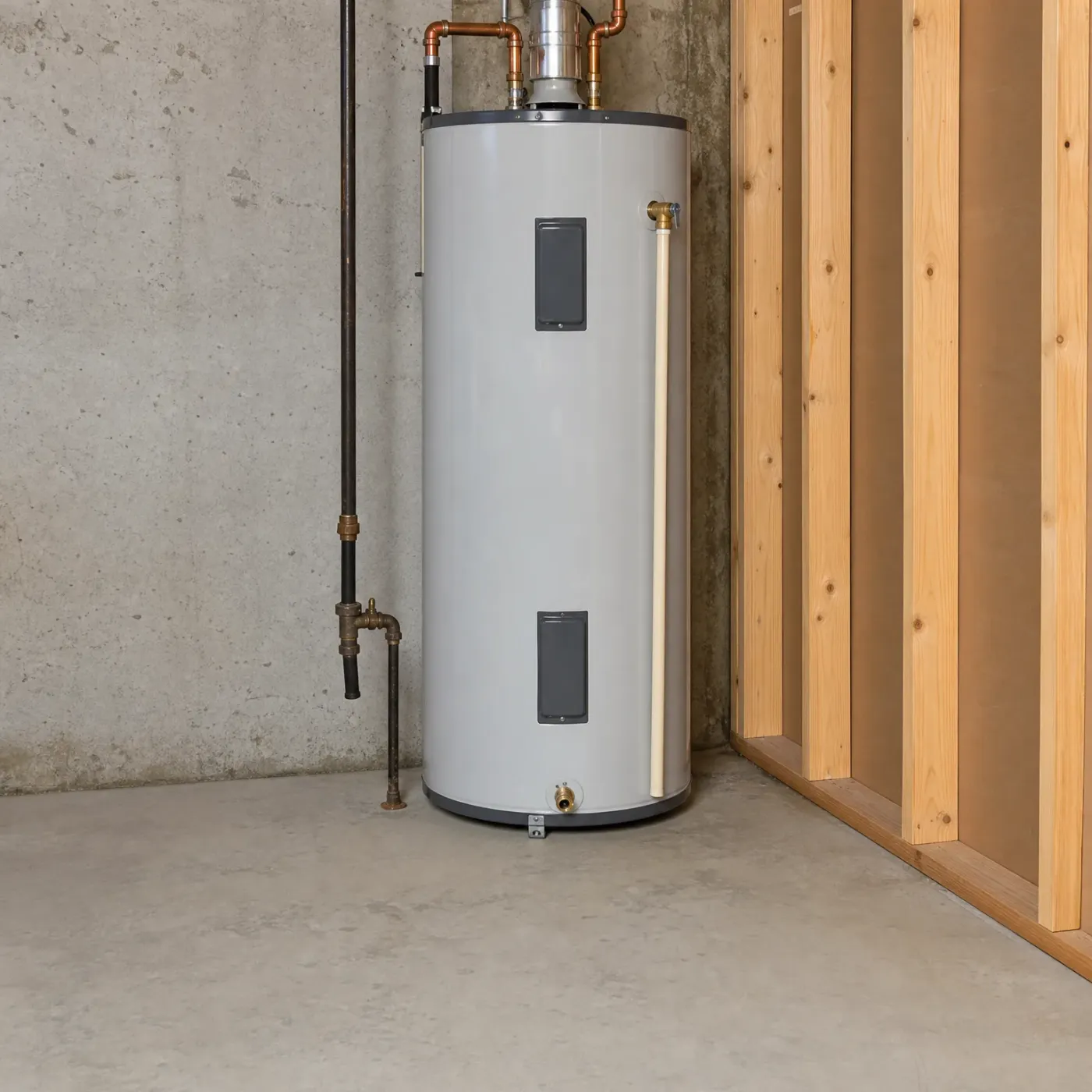
A light gray cylindrical water heater with two access panels stands on a concrete floor against a concrete wall, with copper and black pipes beside it and an unfinished wood stud wall to the right.

Working the way it should

This tank has copper lines feeding in clean and a relief valve doing its job with the discharge tube pointed down and away. The drain valve at the base still turns. Nothing here is fighting the tank's ability to recover on schedule.

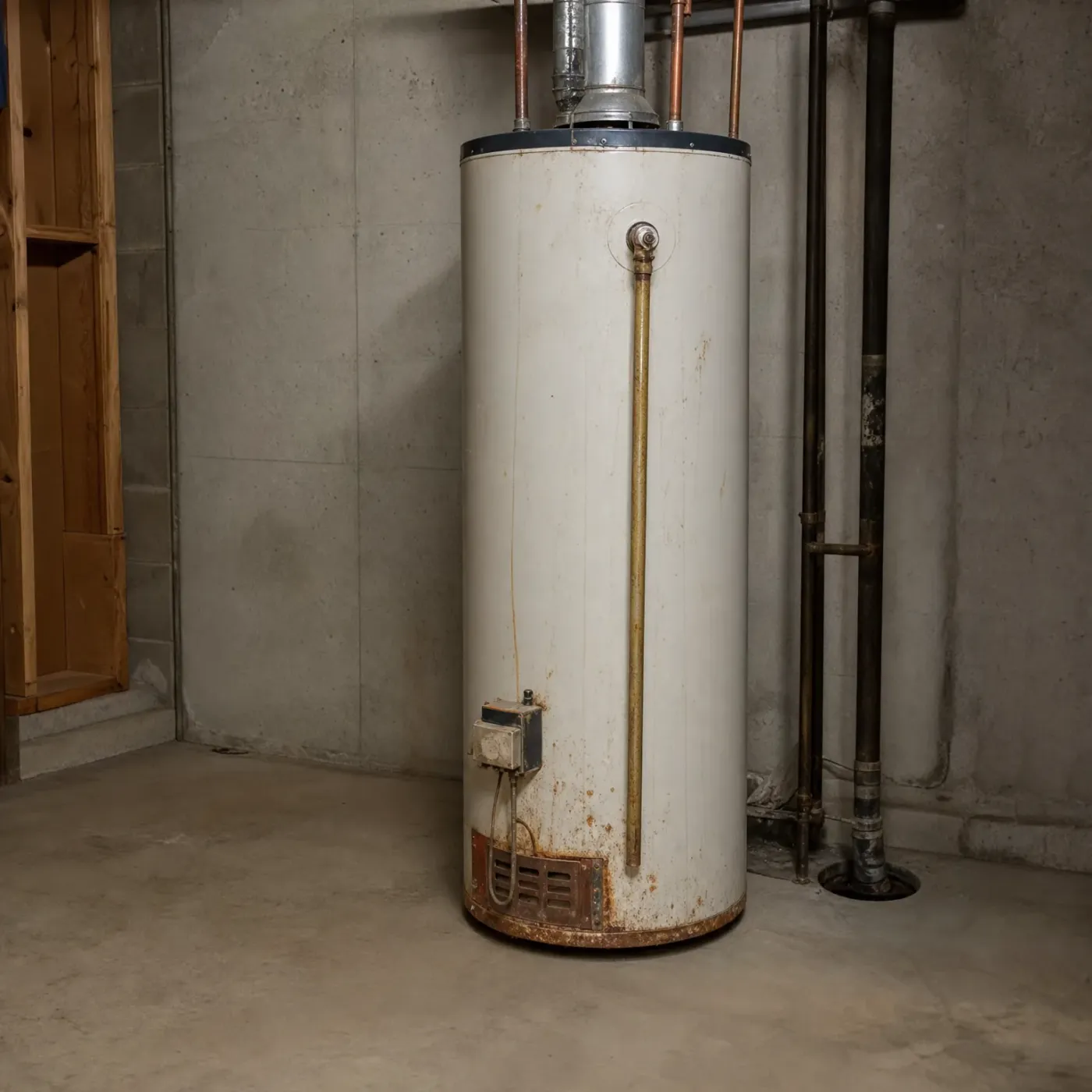
An older white gas water heater with rust staining and an exposed vertical pipe stands against a concrete block basement wall, with a metal flue above and black vertical pipes to the right.

Rust tells you first

Rust climbing the base and spreading across the lower section isn't a slow tank, it's a tank with a leak starting or already underway. By the time rust shows like this, recovery time is the smaller problem. Get it looked at before it lets go onto the floor drain beside it.

A slow recovery has a cause, and it's one a licensed electrician or plumber working on water heaters in Alabama every week can usually spot fast: a failed lower element, a stuck thermostat, sediment sitting between the burner and the water. Fixing that cause brings the wait back down to what it used to be, and it stops the tank from drawing power to do a job it can't finish. Someone who works on these tanks all year, in homes running the same electric setup as yours, has seen this pattern before and knows where to look first. When you send your information in, it goes to one contractor local to you, not a handful of companies competing for the job, so you're not stuck fielding calls all afternoon. You'll know who's coming and that they're licensed for the work. The tank doesn't need to stay slow through another round of showers while you wait on hold or wonder who to call.

At dusk, a dark board-and-batten house with a standing-seam metal roof and lit entry walkway of stone pavers, with two large outdoor heat pump units on a stone-walled pad at right and trees and hills in the background.

Water Heater Repair

It's off your list after this

Step 1 of 3: Equipment
  • A ceramic vase holding leafy green branches and a shallow wooden bowl sit on a wooden window ledge beside a sunlit window, with a cream upholstered chair and knit throw in the foreground.
    • Tell a local repair pro what your water heater is doing.
    • Describe your water heater job, and a local pro who handles it gets in touch.
  • Sunlit living room corner with a beige upholstered sofa, a round wooden side table holding a ceramic vase of olive branches, linen curtains at a window, a floor vent in the baseboard, and a woven jute rug on hardwood flooring.
    • After you send the request, you're done searching.
    • Send the request today and stop worrying about who to call.
  • A wooden side table with a single drawer holds a shallow carved wood bowl and a white ceramic vase of green eucalyptus stems, beside a window and an upholstered chair draped with a cream knit throw.
    • Describe what your water heater is doing once, in one form.
    • Answer a few questions instead of calling shop after shop.
  • Corner of a house with horizontal siding, a white-framed window and stone veneer base, beside a covered entry with wooden steps, a potted plant, mulched beds of green shrubs and a flagstone path.
    • Your request goes to one pro, not a list of companies.
    • The pro who reaches out is licensed in Alabama.