
Why your water heater makes popping noises in Alabama
Why does my water heater make popping noises?
That popping or rumbling sound from your water heater usually starts gradually and gets louder over time. It's not dangerous in the moment, but it's a sign something has been building up inside the tank, and it's worth knowing what's actually happening before it turns into a bigger problem.
Sediment has built up on the bottom of the tank
The popping comes from water trapped under a layer of sediment at the bottom of the tank. When the heating element or burner fires, that trapped water boils and the steam pushes up through the sediment, which is what makes the noise. Alabama's water leaves mineral deposits behind, and with most homes here heating water electrically, the lower element sits right where sediment collects, so it heats directly through that layer every time it runs. The longer it builds up, the harder the element has to work to heat the water above it. With power costs what they are in Alabama, that extra strain shows up on the bill, and over time it wears the element down faster than it should.




The sediment that causes this comes from minerals in your water supply, and it settles right where the tank heats, at the bottom where the element sits. Once that layer builds up, water gets trapped underneath it. The heat turns that trapped water to steam, and the steam has to find a way out. It pushes up through the sediment in bubbles, and that's the popping sound you're hearing. Most homes in Alabama run electric water heaters, and those lower elements keep working against whatever has hardened around them. The longer that crust sits there, the more the element has to push to heat the same tank of water. This is also why tankless units rarely make this noise. There's no standing tank for sediment to collect in. If the popping has been going on for a while, the buildup underneath your element is probably substantial by now, not a light dusting. A technician can tell how bad it is once the tank is drained and the element is out.
What's Happening Inside the Tank
- Sediment settles at the bottom of the tank because that's where the burner or heating element sits and the water is hottest there.
- Water trapped under a layer of sediment turns to steam and the bubbles push up through the buildup, which is the popping you hear.
- Electric water heaters, common across Alabama homes, have lower elements that run until the sediment around them hardens into a crust.
- The thicker that crust gets, the harder the element or burner has to work to heat the same amount of water.
- Tankless units don't collect sediment the same way, so popping almost always points to a tank-style heater.
- A tank that's been popping for months usually has more scale built up than one that just started.
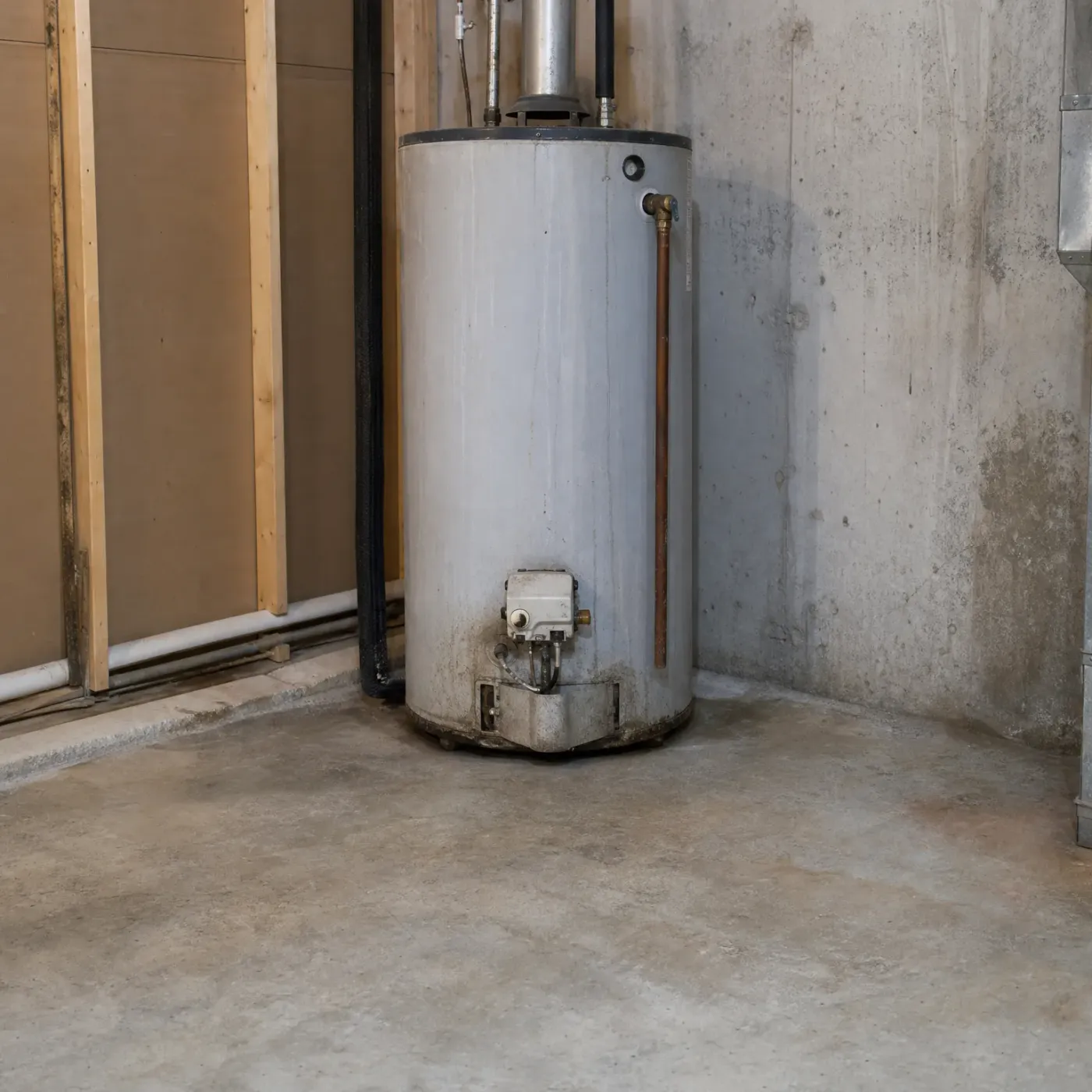
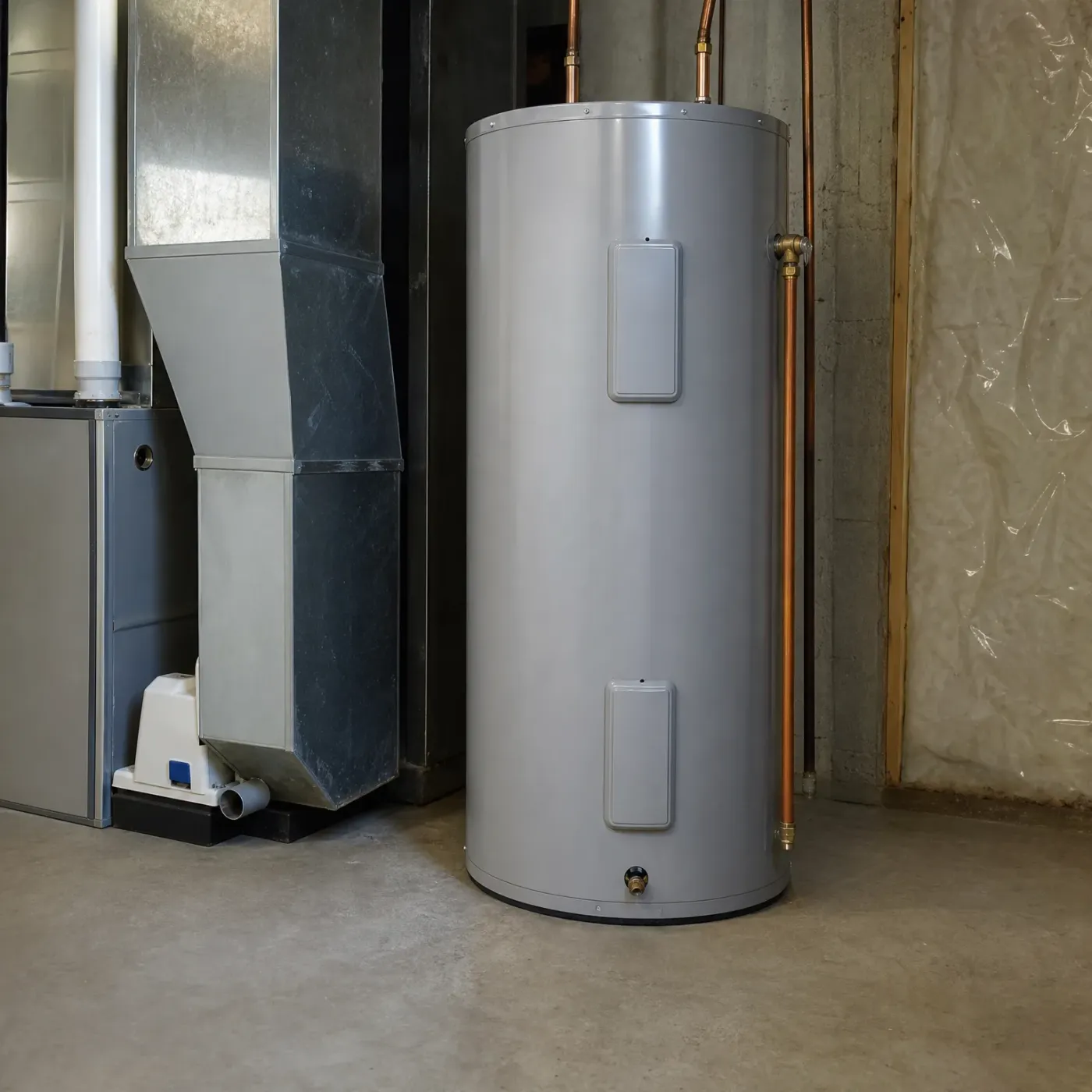
Skip the search
Tracking down someone to look at this isn't simple on its own. You'd be calling around Alabama to find a plumber who actually works on water heaters regularly, explaining the popping noise over and over to whoever picks up, then waiting on quotes to compare before you even know who's showing up. Sediment problems like this are routine for a local contractor who deals with tanks all summer, every summer, in houses that heat their water with electric elements the same way yours probably does. They know what that popping usually means and what to check first. Submitting here sends your request to one licensed plumber local to you, not a handful of companies competing for the job, so your phone isn't ringing off the hook with sales calls afterward. That tank isn't getting quieter on its own, and the longer sediment sits against the element, the more it's working to heat through. Handing this off now gets it in front of someone who can actually look at it.
Electric heaters build sediment too
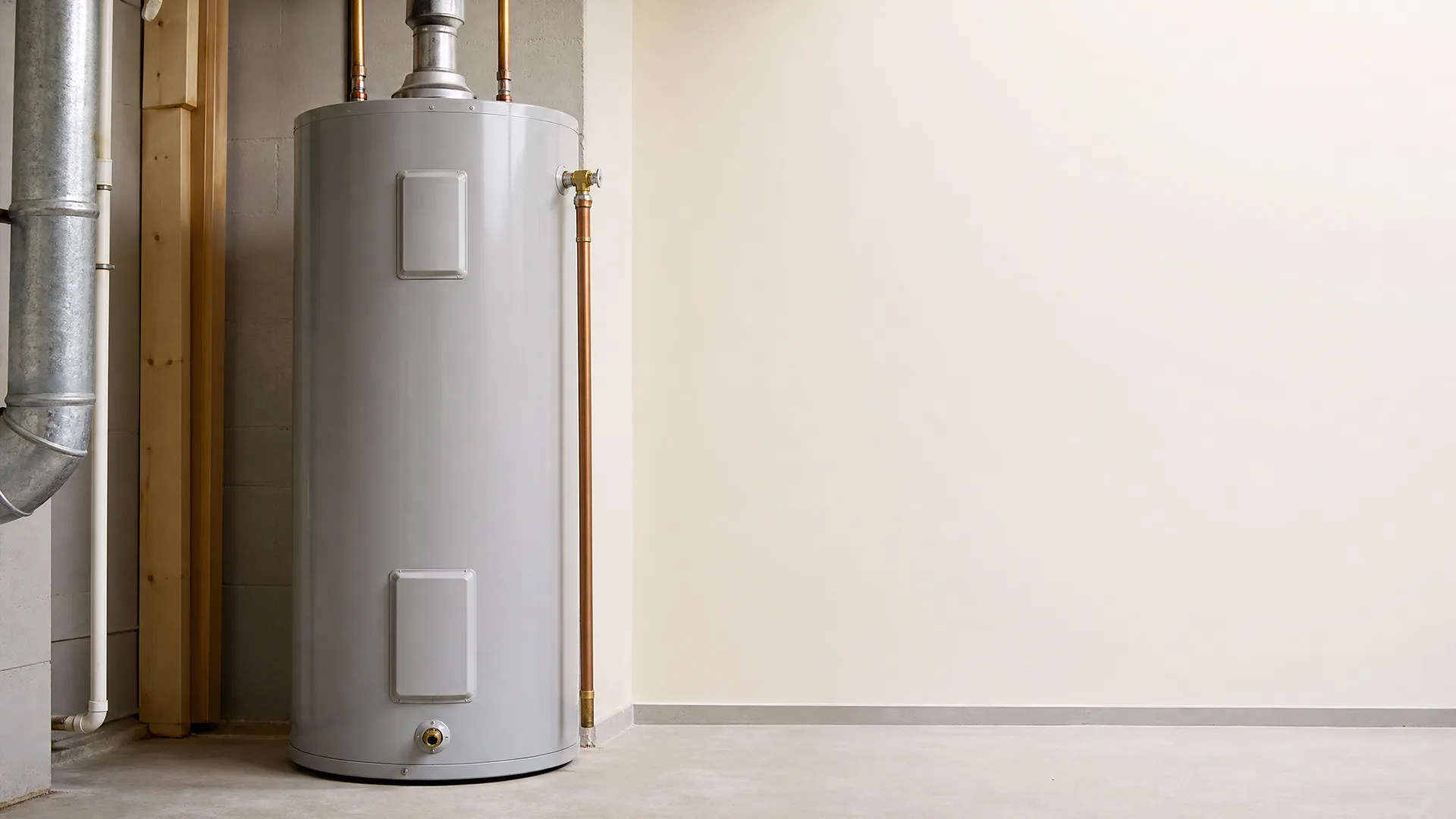
Alabama water is hard enough that most tanks collect sediment whether they run on gas or electric. With an electric water heater, the lower heating element sits down in that layer directly. Once sediment covers it, the element has to push heat through buildup instead of straight into water, and that's where the popping starts. The element itself can also burn out faster working that way.
Why the sound gets worse
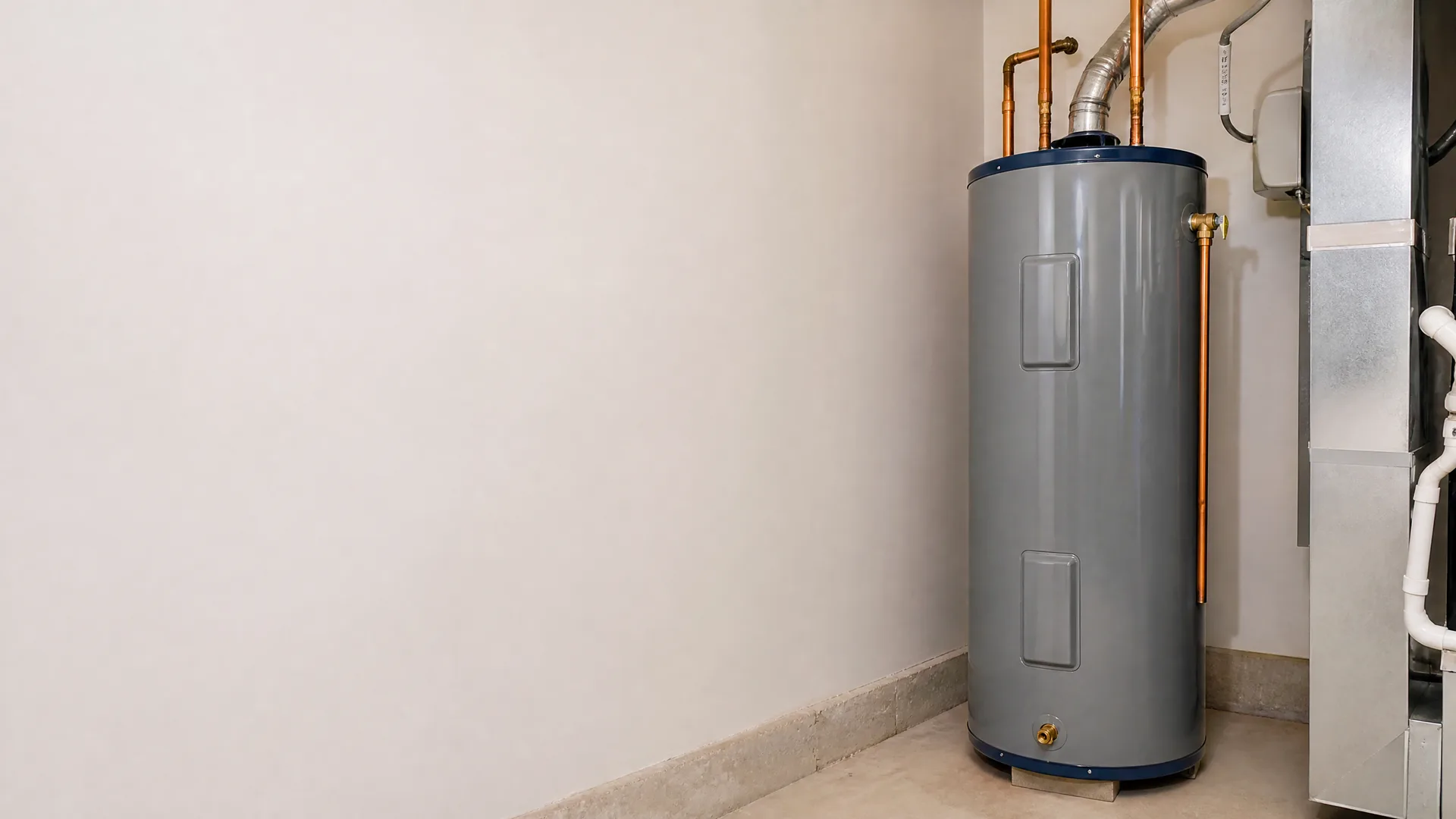
Sediment doesn't wash back out on its own. Every time the tank heats a new batch of water, another thin layer settles on top of what's already there. The popping gets louder over months because there's more material trapping steam, not because anything new has gone wrong. Left alone, the buildup also makes the tank work harder to heat water, which shows up on a power bill that's already high for the summer.

What that popping is costing you right now
Every gallon that layer of sediment touches has to be heated through it first, not just the water. Your electric water heater is working harder to reach the same temperature, and with power rates in Alabama what they are, that shows up on your bill whether you notice the noise or not. Left alone, that sediment layer keeps the lower element working against it, and the element itself can burn out sooner than it should.
You don't need to spend your afternoon on this. Finding a plumber in Alabama who actually works on water heaters, telling three different companies about the popping, then sitting on quotes to compare is its own chore. Instead you get matched with one licensed local plumber, someone who hears this same sediment problem on calls all summer and already knows what to check first when they get to your tank.

67.4% of homes statewide heat with electricity
Most houses in Alabama run on electric heat, and yours is likely one of them. An electric tank has its lower element sitting right down in the sediment layer, so that's where the popping is coming from, and it's also where the element has to work hardest to get through it.
ACS 2020-2024 5-year B25040
The popping means sediment has built up low in the tank, sitting right against the element, and it will keep getting louder until someone flushes the tank or replaces what the buildup has already damaged. That part doesn't need to be a mystery. A plumber who works on water heaters across Alabama every week has opened up enough electric tanks to know how that layer forms in this water and what it tends to do to a lower element left sitting in it. You call one person, you explain the noise once, and that's the end of the back and forth. No comparing quotes from three different companies, no retelling the story each time someone new picks up. Just a licensed plumber local to you, looking at your tank, telling you plainly whether it needs a flush or something more. The noise itself was never the real problem. What it was telling you about your tank is.




Explain it one time
Your request stays with one local pro.
You're not committing to anything by asking.